Why Acrylic Panels Suit Laser Cutting
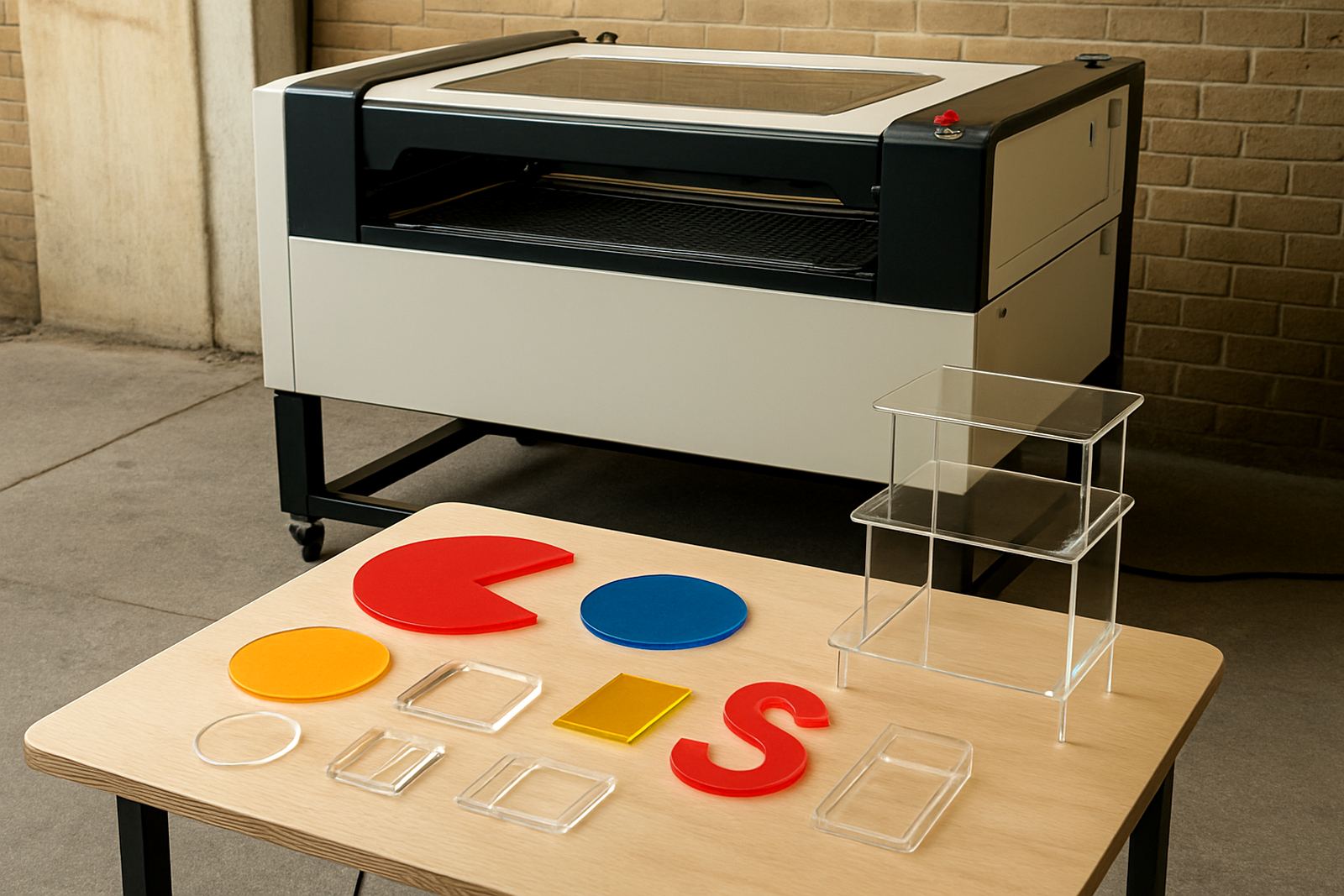
Acrylic is one of the most common materials we cut for sign shops, display builders and fabricators because it machines cleanly and can be produced in small or large runs. For panels, covers, inserts and formed parts, a CO2 laser gives neat edges that often need very little finishing, which saves time on the workshop floor.
When the job calls for letter boxes, retail display faces, light covers, machine guards or presentation panels, acrylic is a practical choice. It is available in different thicknesses from thin sheet to heavier panel stock, and the cut edge can be clear enough for many jobs without sanding, although final appearance still depends on the sheet quality and the power settings used.
Typical Setup For Acrylic Panel Work
A proper setup for acrylic panel work usually includes a CO2 laser cutter sized for your sheet format, a stable work surface, extraction, cooling and a clean air assist line. For shops handling regular panel orders, a reliable chiller and good fume extraction matter as much as the machine itself, especially in warm areas like Johannesburg where dust and heat can affect consistency.
- Machine bed sized for common sheet offcuts and full sheets where needed
- Water cooling system to keep tube temperatures steady during longer runs
- Extraction to remove fumes and keep the work area more comfortable
- Air assist to help reduce edge flare and keep cuts cleaner
- Basic jigs or stops for repeat parts and batch work
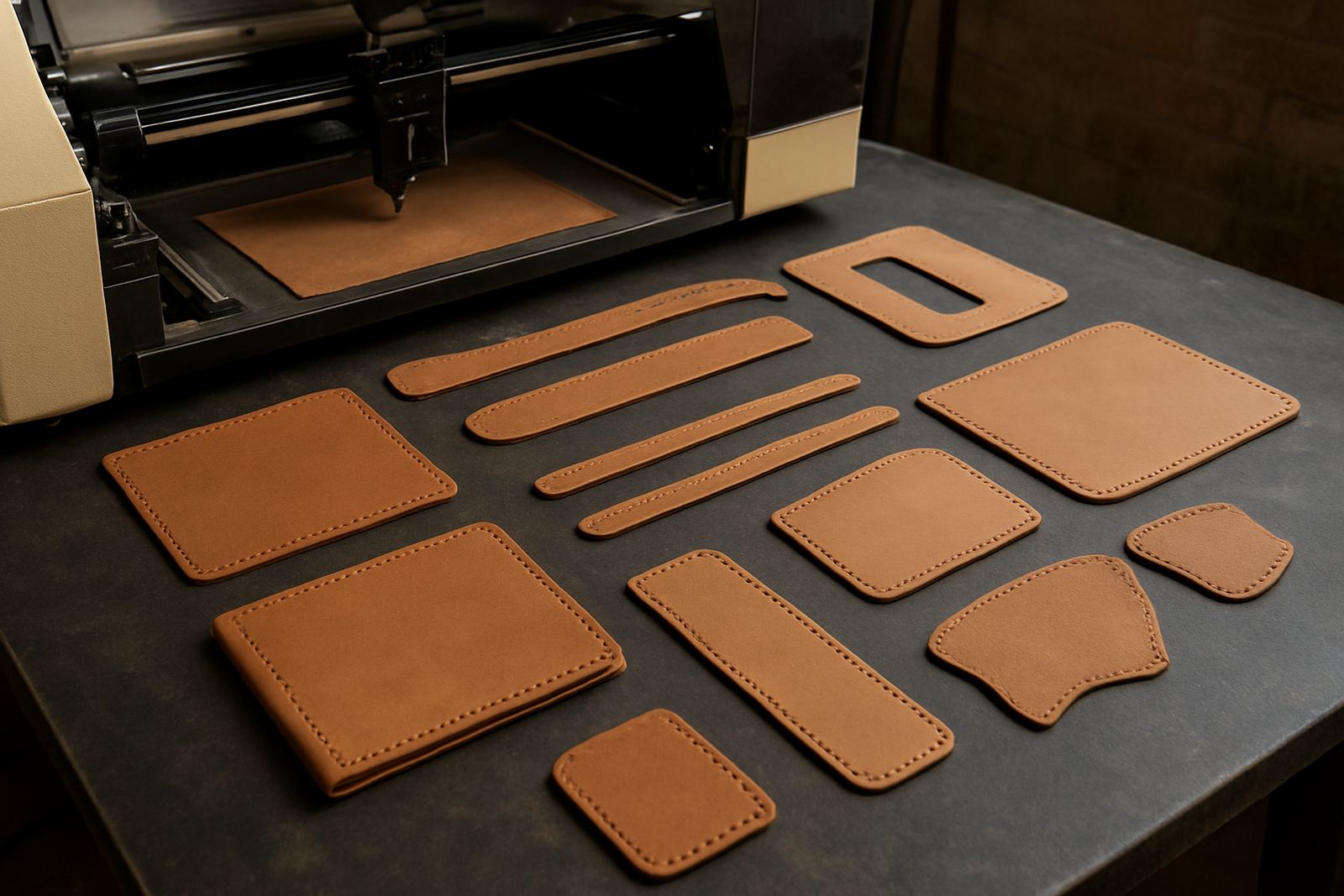
If your work includes mixed materials, keep acrylic cutting separate from wood and leather jobs where possible. That makes cleanup easier and cuts down on stray residue on optics and rails.
Planning The Panel Layout Before You Cut
Good layout planning saves acrylic, especially when the client wants multiple sizes from one sheet. Start with the finished dimensions, allowance for fixing holes, and any edge distance needed for screws or standoffs. If the panels are for signage or display boxes, check how they will be mounted before you approve the cut file.
It helps to nest parts so that the most visible edges are placed away from any rougher offcuts. For clear acrylic, keep the protective film on for as long as possible and make sure the sheet lies flat. A slight bow in the panel can create focus issues and inconsistent depth, particularly on thicker material.
- Confirm exact thickness before pricing and cutting
- Leave space for holes, slots and fixing points
- Allow for the final fit if the panel sits in a frame or extrusion
- Check artwork line weights and file scale before production
- Test one corner or sample before running a full sheet
Common Mistakes That Cost Time And Money
Most problems with acrylic panels come from rushing the setup rather than from the material itself. If focus is off by even a small amount, the edge can show frosty lines or extra melt, and the part may not fit correctly. Dirty optics, poor cooling and weak extraction also show up quickly on acrylic jobs.
Another common issue is overpromising on sheet size. Some clients bring in panels that are too large for the machine bed and then expect a single-piece cut. In those cases, you may need to redesign the part into sections or plan a different installation method. It is better to discuss this early than to discover it on cut day, when the schedule is already tight.
In humid coastal conditions or in dusty workshops, static build-up and surface contamination can be a problem too. Wipe sheets properly, keep the workspace clean and make sure the machine is serviced on schedule, not after faults start stacking up.
Budget Ranges For Acrylic Panel Jobs
Pricing acrylic panel work depends on the thickness, sheet size, cutting time and finish required. Small one-off inserts or samples may start from a few hundred Rand, while larger sign panels, production runs and shaped components can move into the thousands. A full job for a custom display set often includes material, cutting time, setup and any post-cut cleaning.
As a working guide, simple cut parts can range from about R350 to R950 for small quantities, medium display or signage runs often sit between R1 200 and R4 500, and larger production batches or thicker sheet work can go from R5 000 upwards. If the job needs installation, operator training, relocation or a service visit, those costs should be separated from the cut price so the quote stays clear.
For customers in Johannesburg, Pretoria, Midrand, the East Rand and the West Rand, local turnaround can help control cost. For Durban or Cape Town work, transport, site access and timing should be allowed for in the budget. That keeps the project realistic from the start, instead of adding surprise costs later.
Who This Work Suits In South Africa
Acrylic panel cutting suits sign makers, exhibition builders, fabrication shops, crafters and product makers who need clean repeatable parts. It also works well for businesses producing protective covers, cabinet fronts, control panel inserts, point-of-sale displays and custom presentation pieces. If your team handles short runs one week and production batches the next, the same machine can support both with the right settings and process control.
LaserCutter CO2 supports demo cuts, machine installs and operator training nationwide from Wynberg, Johannesburg. Our team covers technical support, service response, alignment, cooling checks, extraction service and annual service planning, which helps keep production moving when load-shedding, dust or general wear start affecting output.
- Custom display and retail panel work
- Signage components and mounting inserts
- Fabricated parts for product assembly
- Short-run and repeat production jobs
If you need advice on setup, file prep or machine selection for acrylic panels, send an enquiry through the contact page and we will help you plan the next step.