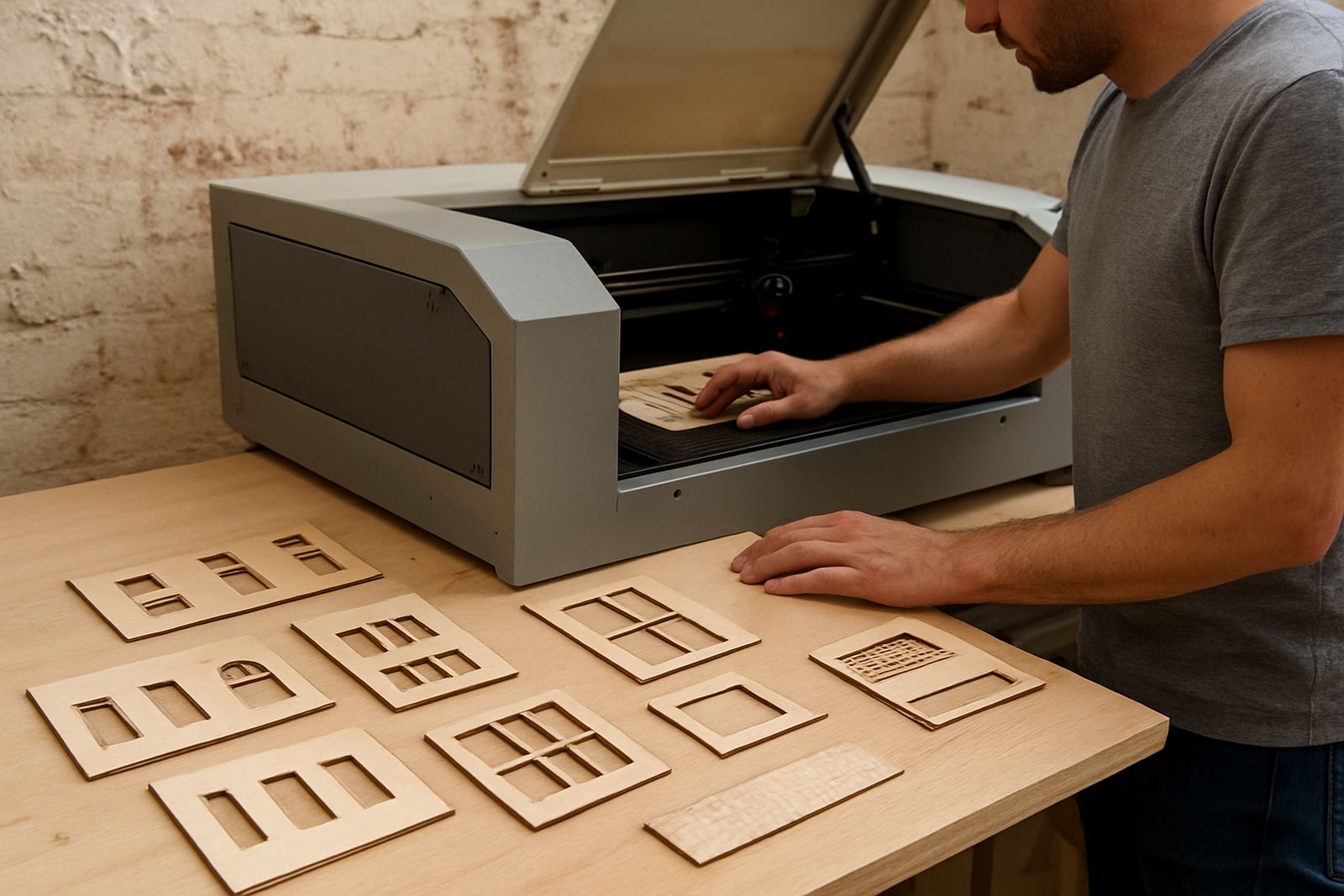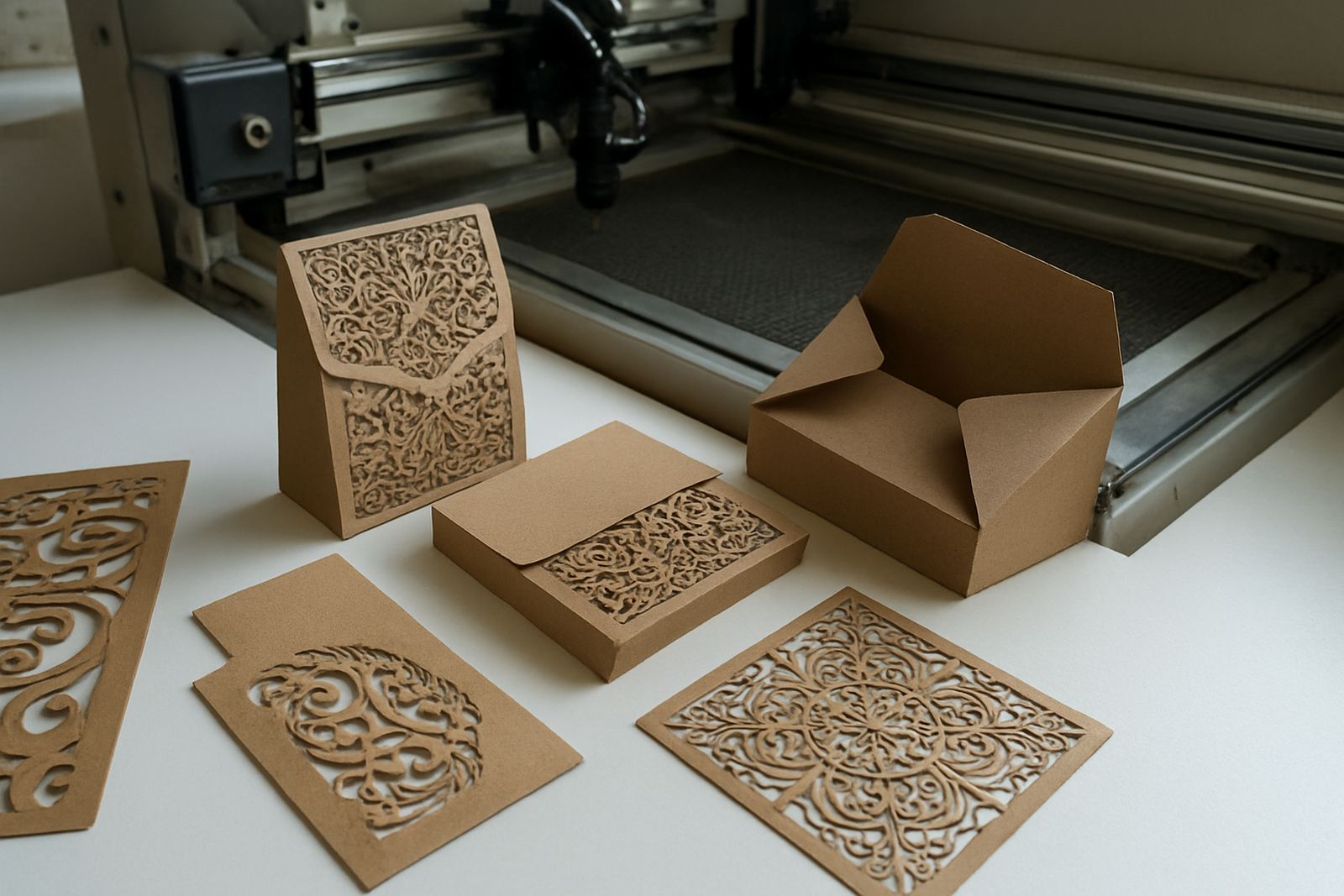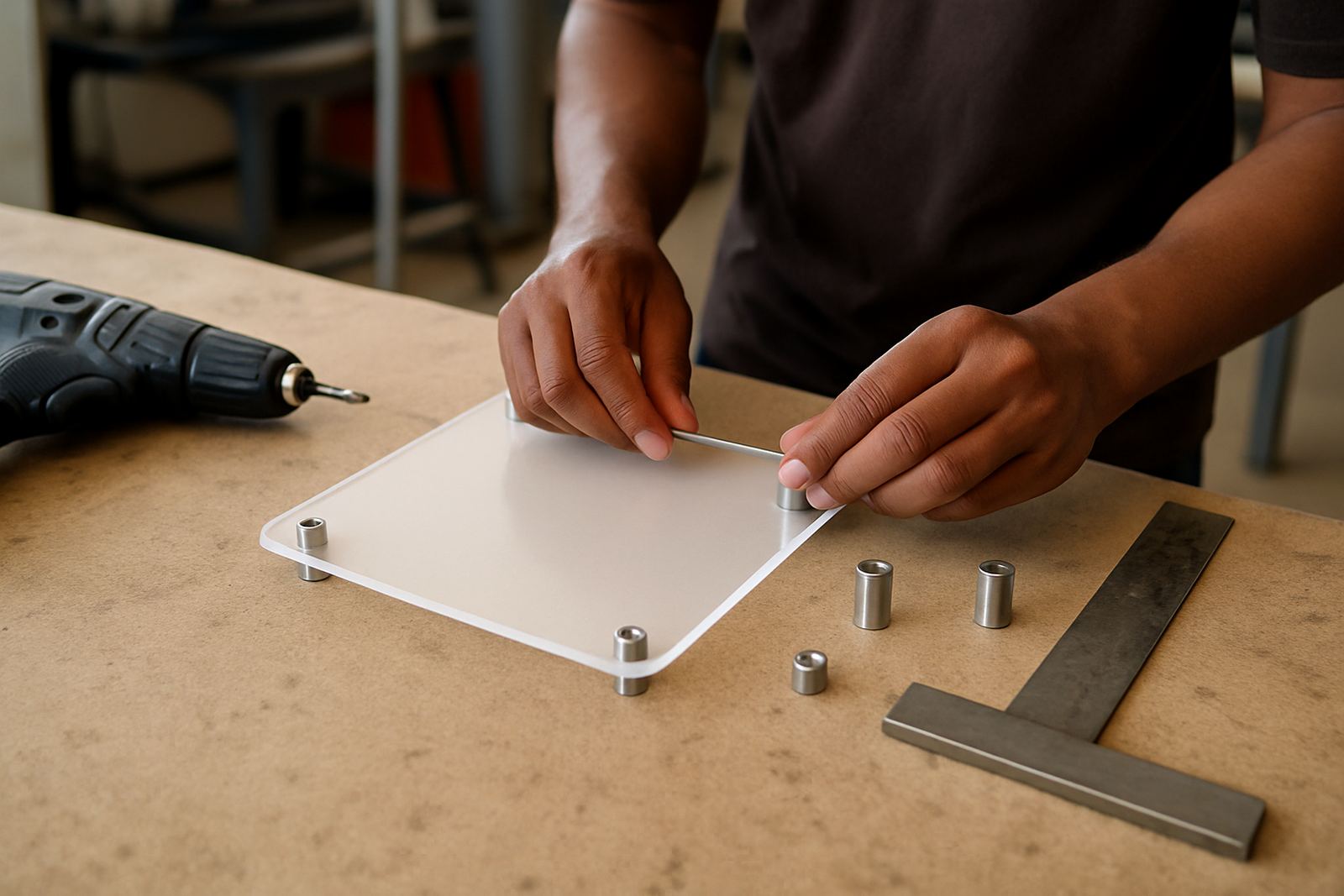

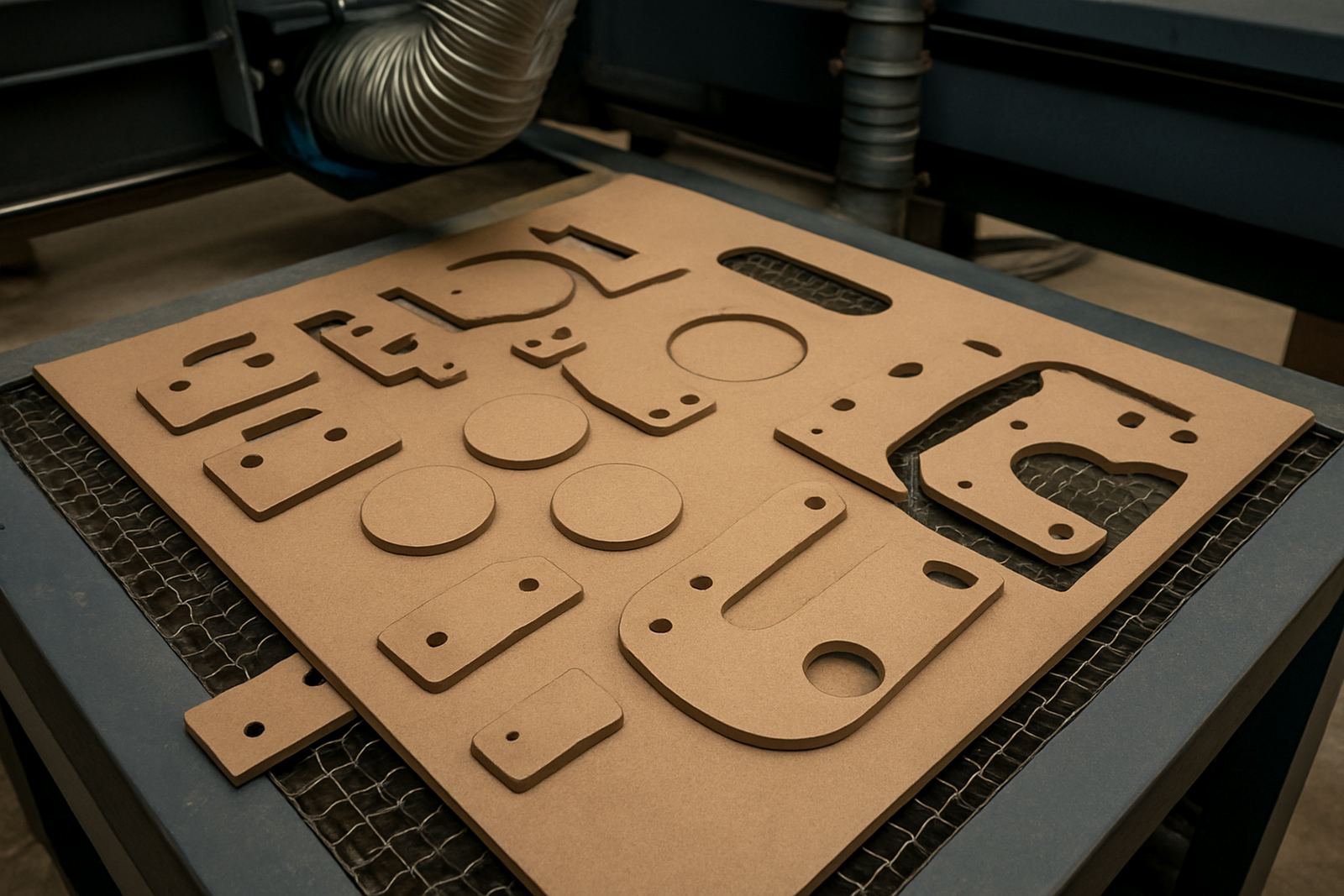
When MDF Works Best For Repeat Parts
MDF suits shops that need flat, repeatable components with a neat edge and a steady finish. It is commonly used for signage backers, jigs, packaging inserts, display parts, paint masks and workshop templates. For this use case, the main advantage is consistency. Once the cut file is right, the same part can be run again with little variation.
For laser work, thinner MDF is usually easier to process and gives better detail on small tabs, slots and curves. Thicker sheet can be used too, but it needs slower cutting, stronger extraction and more attention to smoke marks. In Johannesburg, Pretoria and the coastal areas, stored sheet can take on moisture, so keep it off the floor and out of direct damp air. That small step saves a lot of rework later.
- Best for templates, pattern parts and backing boards
- Useful where parts must match each other closely
- Works well for short runs and ongoing repeat orders
- Needs dry storage to reduce swelling and edge burn
Typical Machine Set For MDF Cutting
A CO2 laser setup for MDF components usually includes a suitable bed size, a clean air assist line, extraction, cooling and stable power. The machine choice depends on the largest sheet sections you want to process and how often you run them. Smaller makers may only need a compact cutter for prototypes, while a production workshop may want a larger bed for nesting several components in one run.
For job planning, it helps to match the laser source and bed size to the material thickness and daily output. Operators should also check that the extraction path is clear, especially in enclosed premises where smoke can linger. On some industrial sites in Sandton, Midrand or the East Rand, shared power and load-shedding planning matter just as much as cutting speed.
- Flat bed large enough for your common sheet sizes
- Air assist for cleaner edges and reduced scorching
- Water cooling and regular temperature checks
- Extraction suited to fine dust and smoke from MDF
- Reliable file prep from vector artwork or CAD exports
Layout Planning That Saves Material
Good nesting is where MDF work becomes cost effective. Because sheet material is sold by area, every gap matters. Place the parts to reduce offcuts, group the same thickness together and keep the grain direction in mind where the job requires it. Even though MDF does not have a visible grain like timber, some forms and laminated boards still benefit from a set orientation.
Allow for kerf, hold points and any post-cut sanding. If parts must fit into slots, test the tolerance first with a small sample. A gap that is too tight can force assembly and damage the edges. In practical terms, we recommend doing a first-off test on 2 mm to 6 mm samples before committing to a full batch. That is especially useful for packaging inserts, interlocking displays and custom jigs.
Also think about how the parts will be handled after cutting. Large backing boards may flex, so leave support points in the layout and move them flat from the machine to storage. A simple table roller or clean board nearby helps a lot when the workshop is busy.
Common Mistakes That Cause Rework
MDF is forgiving in some ways, but cutting it badly can waste time and sheet. The most common issues are poor ventilation, wrong speed settings, dirty optics and files that were not checked before the job started. Burn marks often come from trying to rush thick board through a setting that was only suitable for thin material.
Another mistake is ignoring moisture. If the board has absorbed water, the cut quality changes and the edge can swell after processing. That becomes a problem for fitment on templates and components that must sit flush. In Durban and other humid areas, it is worth storing material in a dry room and using sealed packs where possible.
- Cutting without a small test sample first
- Using damp sheet that has curled or swollen
- Skipping lens and mirror cleaning
- Poor extraction that leaves soot on the edges
- Not allowing for kerf on slots and tabs
Operators should also check for stray fixings, staples or adhesive residue on the sheet. Those can reflect heat or leave a rough patch and the cut line will suffer.
Budget Ranges For Small Shops And Production Runs
Budget depends on volume, sheet size, thickness and how much in-house finishing you want to do. For a small workshop producing templates and shaped parts, a compact system with extraction and cooling can be planned from roughly R180,000 to R350,000. A larger setup for regular production, bigger beds and stronger support equipment can move into the R450,000 to R900,000 range.
Running costs should also be planned properly. MDF is affordable per sheet, but the real cost comes from power, optics cleaning, extraction maintenance, replacement lenses and operator time. If you are taking on custom work, factor in setup hours for each new file and the occasional test run. Many teams find that a preventive service plan is cheaper than waiting for downtime after a breakdown.
For businesses in Johannesburg, Pretoria, the East Rand or the West Rand, it is wise to include delivery, installation and training in the budget from the start. That way the machine is not left idle while staff try to learn by trial and error.
Installation, Training And Aftercare Across South Africa
We support MDF component production with demo cuts, installation, operator training and aftercare from our Wynberg base in Johannesburg, with service support into Sandton, Midrand, Pretoria, the East Rand, the West Rand, Durban and Cape Town. The first installation visit should cover machine position, extraction routing, cooling checks, power protection and safe material storage. If the machine is not set up correctly on day one, small faults keep repeating.
Training should go beyond pressing start. Operators need to know how to prepare artwork, test cut new board, clean optics, check beam alignment and spot edge quality before a full batch is released. For teams running on tight deadlines, remote support can help with file checks and setting advice, but the machine still needs a tidy workspace and consistent routine.
- Machine installation and site positioning
- Operator training for new and existing staff
- Preventive maintenance and annual service plans
- Breakdown response, spares supply and beam alignment
- Relocation help for workshop moves or upgrades