Gift Personalisation That Sells Well at Retail Counters
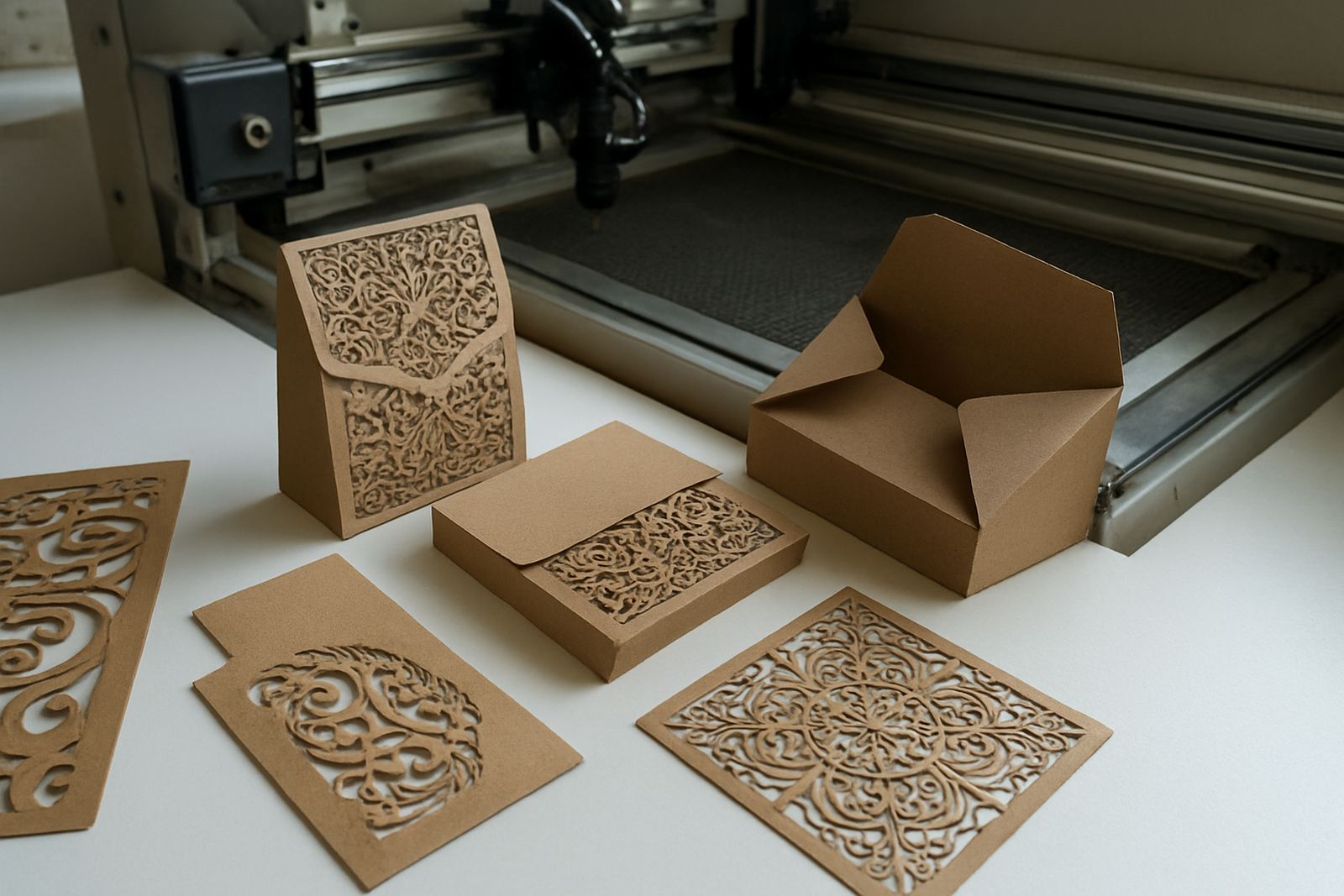
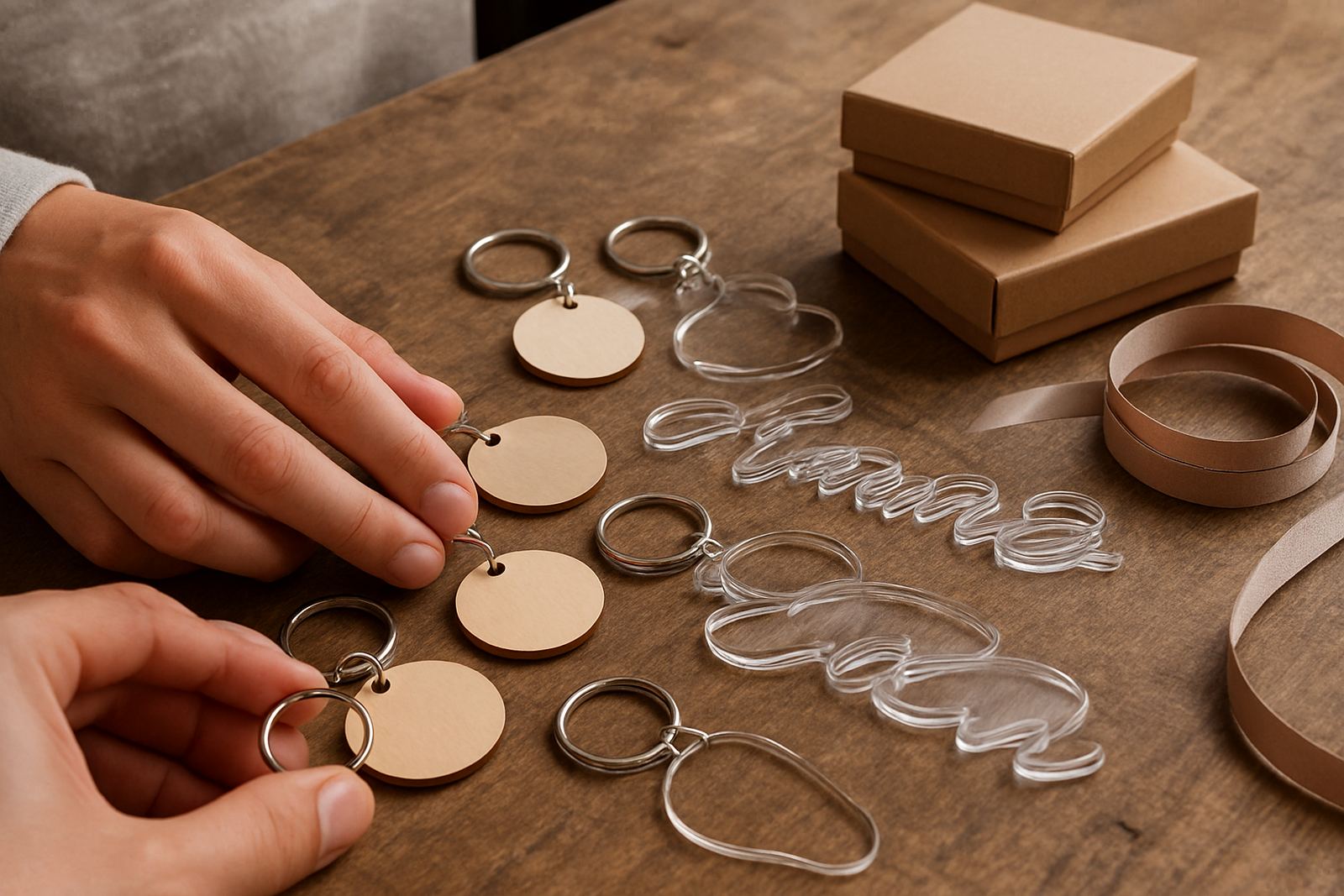
Gift personalisation works best when the job is simple for the operator and consistent for the customer. The usual order is a name, date, short message or logo on a small item such as an acrylic tag, wooden keepsake plaque, leather key fob or ornament. In Johannesburg, Pretoria, Durban and Cape Town, retailers often want quick turnaround for birthdays, weddings, baby showers and year-end gifting, so the machine has to cut neatly, repeat accurately and handle mixed order sizes without wasting material.
For this use case, most clients want a CO2 laser set up for thin to medium thickness materials. Acrylic between 2 mm and 6 mm is common for layered names and display pieces. Wood, plywood and MDF in the 3 mm to 6 mm range are often used for rustic gifts, while leather and bonded leather are popular for tags and accessories. Clean edge quality matters because customers notice a rough edge immediately on a gift item, even if the design is small.
Typical Machine Set-Up for Names, Ornaments and Keepsakes
The right set-up depends on volume and the type of work you do. For a small retail studio or gift shop, a compact bed size is usually enough for batches of name cut-outs, baubles and small plaques. A larger workshop serving events, schools or corporate gifting usually needs a bigger bed for nested layouts and multiple orders running in one cycle. If you are producing item after item during peak season, a reliable extraction system and water cooling are not optional, especially in warm inland areas where heat builds up quickly.
- CO2 laser cutter with a bed size suited to your average item size and batch quantity
- Air assist for cleaner edges and less smoke marking on acrylic and wood
- Water chiller or cooling system to keep output stable during long runs
- Extraction or fume removal to manage smell, haze and residue
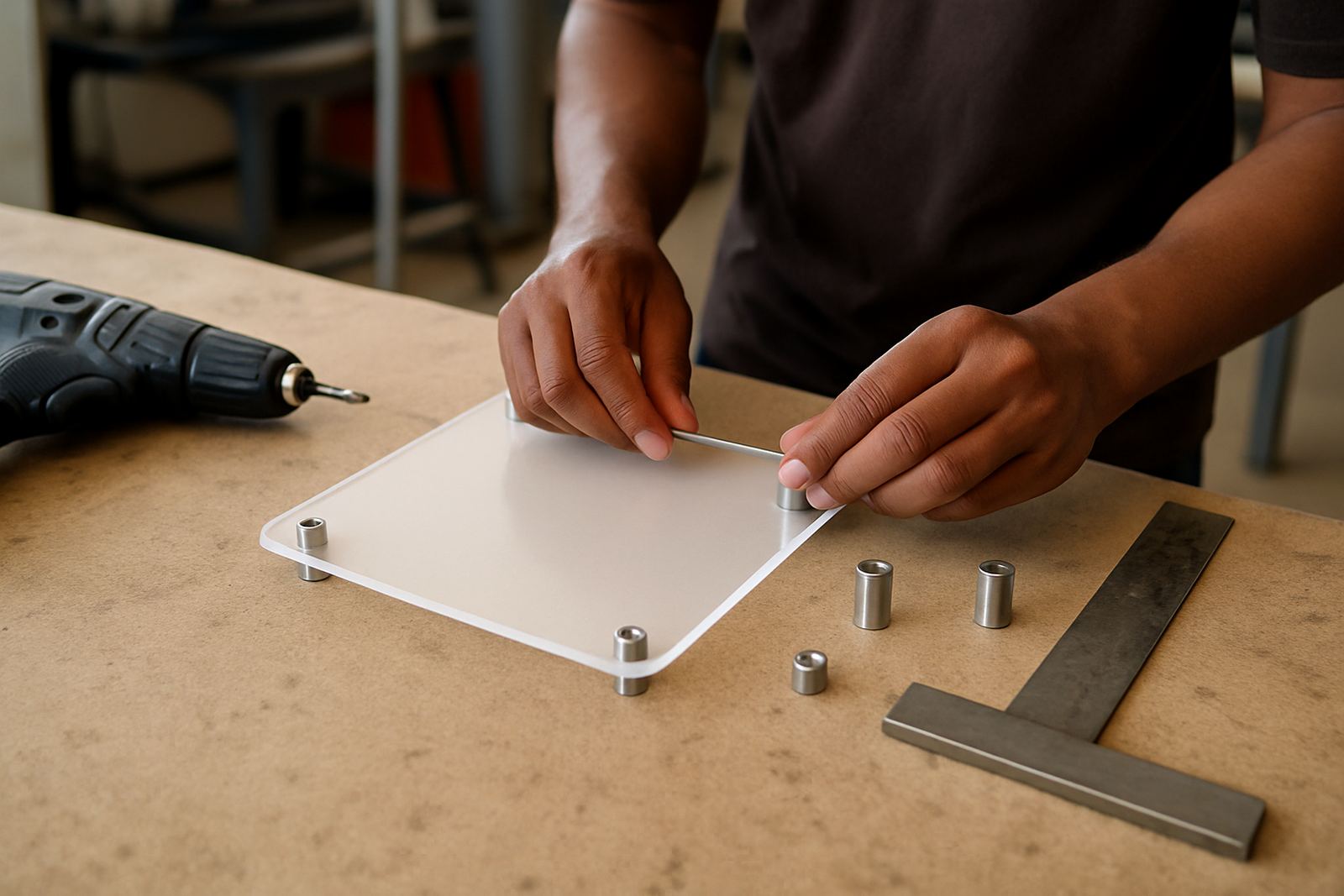
- Basic fixtures for repeat positioning, especially on small repeated shapes
- Power protection for load-shedding, voltage swings and restart safety
For operators working in coastal towns, humidity can affect storage and final finish, so acrylic sheets, wood blanks and leather should be kept flat and dry. In Gauteng, dust control matters just as much. Small particles on the bed can mark the underside of a keepsake, and that becomes a problem when you are charging per item.
Layout Planning for Faster Batch Work
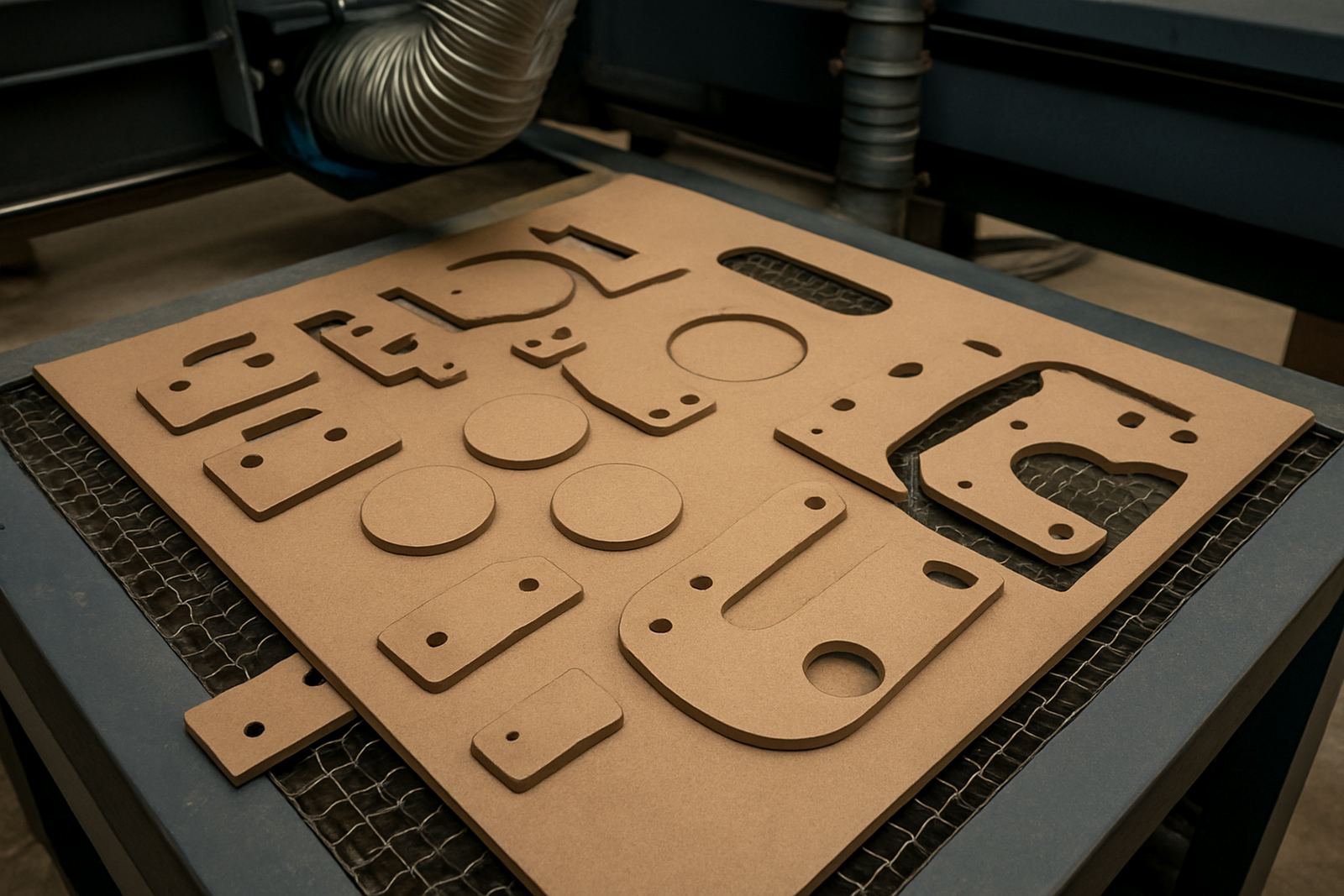
Good layout planning saves time and material. When customers order names, date plaques and ornaments in the same run, the design files should be arranged to reduce travel time and blank space. That means nesting shapes tightly, grouping by thickness and testing the first cut before committing to the full batch. A simple naming system for files also helps when staff are handling multiple jobs in one day.
For gift personalisation, it is worth planning the workflow from order to pack-out. One person can take the order and verify spelling, another can prepare the file and material, and the machine operator can focus on cutting and finish checks. This reduces mistakes on names, which are expensive because a wrong spelling usually means remaking the item from scratch.
- Keep a standard font range that cuts cleanly at small size
- Allow enough spacing around thin letters so they do not break out
- Test delicate ornaments before scaling up to a full batch
- Separate jobs by material to avoid contamination between acrylic and wood
- Leave room for masking, engraving or secondary finishing if needed
When customers want custom shapes for weddings or events, it helps to work with standard material sizes so you are not trimming off too much waste. The better the planning, the easier it is to quote accurately and meet a same-week deadline.
Common Mistakes That Affect Finish and Profit
One common mistake is choosing a laser setting that is too hot for fine gift work. That can leave melted edges on acrylic or burn marks on light wood. Another is rushing artwork approval. A name may look fine on screen but become too thin when cut at 10 mm high, so the operator must check readability before the job starts. The same applies to tiny ornament details, where narrow bridges can snap during removal.
People also underestimate the finishing stage. Even a good cut may need masking removal, light sanding, a wipe-down or assembly into a layered product. If your team does not allow time for this, the final item looks rushed and the margin gets squeezed. In a busy season, that hurts more than a slow machine because rework eats into the day.
Another issue is poor extraction and maintenance. Smoke residue on lenses, mirrors and guide components can affect cut quality quickly, especially on heavier production days. With regular optics cleaning and beam alignment, the machine holds detail better and spends less time out of service. In our experience, many small businesses only notice the problem after edges start to go dull and the cuts need a second pass.
Budget Ranges for a Gift Personalisation Start-Up
Budget depends on the volume you want to run and how finished the product needs to be. A small personalisation set-up for local retail, hobby batches or market work can start at a lower entry point, while a larger workshop setup with stronger throughput, cooling and extraction will sit much higher. In Rand terms, the machine is only one part of the cost. You should also budget for extraction, cooling, first stock of material, design files, power protection and staff training.
As a practical guide, many gift personalisation clients plan for three bands:
- Entry level: about R85 000 to R150 000 for smaller batch work
- Mid-range: about R160 000 to R280 000 for steady retail and event production
- Higher output: from around R300 000 and up for larger beds, better control and heavier daily use
If the business is in a mall, shared studio or event space, check municipal and landlord rules for ventilation, noise and electrical load before installation. In some areas you may also need to plan around parking access, delivery hours and after-hours trading. That detail saves delays on install day and helps the machine start earning sooner.
Demo Cuts, Installation and Operator Training Nationwide
LaserCutter CO2 is based in Wynberg, Johannesburg and supports demo cuts, installs and operator training nationwide. For gift personalisation, that support matters because the value is in the finish and repeatability. A good first setup is usually followed by training on material handling, file prep, safe operation, daily checks and basic fault spotting, so your team can keep production moving without waiting on every small adjustment.
We also help with preventive maintenance, breakdown response, spares supply, optics cleaning, cooling checks, extraction service, beam alignment, remote support, relocation help and annual service plans. Whether the work is in Sandton, Midrand, the East Rand, the West Rand, Pretoria, Durban or Cape Town, the goal is the same: keep the machine cutting names, ornaments and keepsake items cleanly and on time.
For a gift business, the machine should fit the product mix, the available space and the staff skills on hand. That is usually the difference between a busy season that runs well and one that becomes a mess of remakes and late orders.