When paper and card need a finer finish
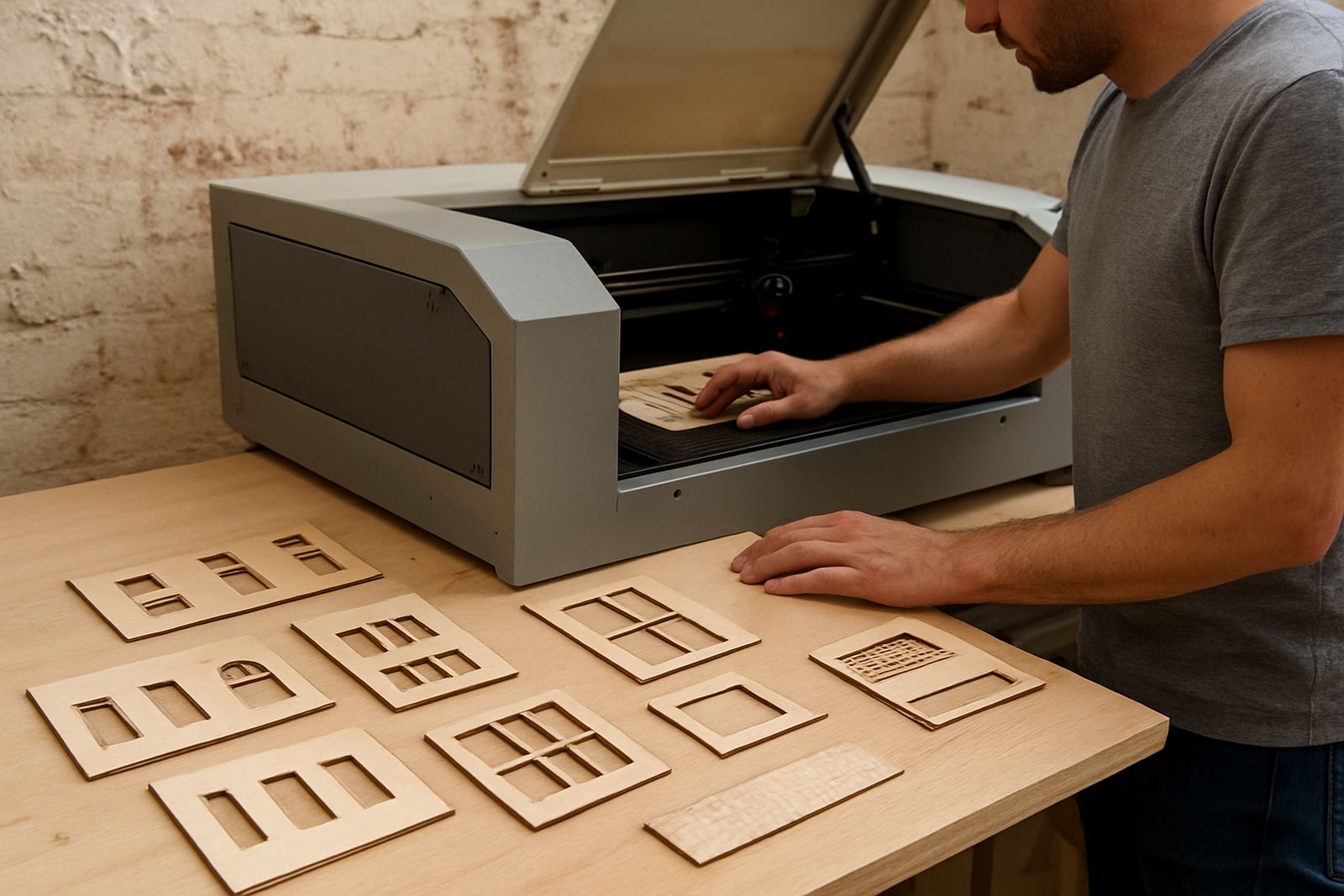
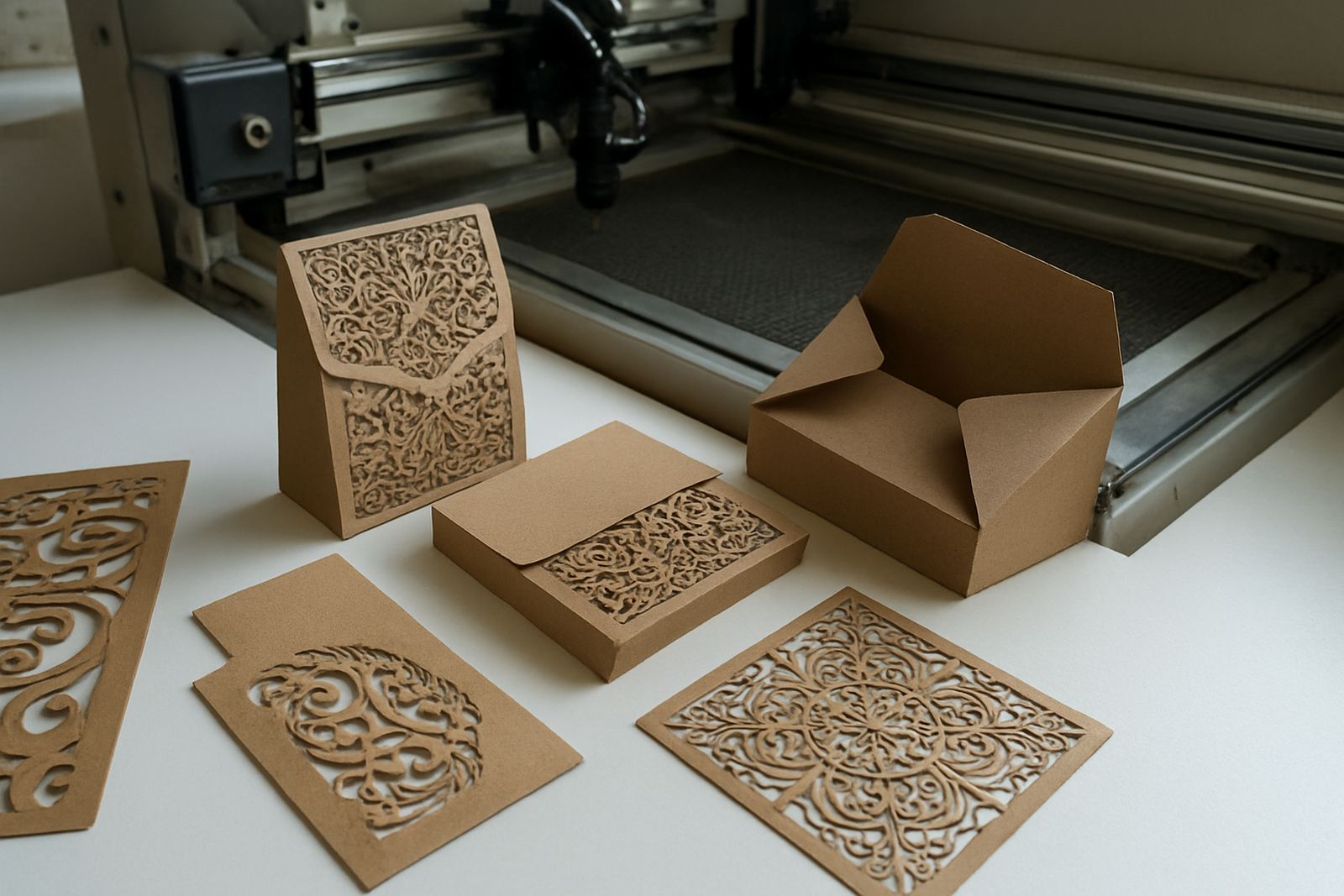
Paper and card work is often the first place a laser earns its keep. Invitations, place cards, tags, model packs, presentation sleeves and decorative inserts all need sharp detail and consistent cutting, especially when the design includes small text, lace-style patterns or tight internal cut-outs. A good CO2 setup gives clean edges and helps avoid the tearing you can get from blades on textured stock.
For many clients the challenge is not just cutting, but keeping the material presentable after cutting. Humidity in coastal areas can curl certain boards, while dry inland storage can leave sheets brittle. In Johannesburg and Pretoria, a calm workflow and proper handling matters, because even a small bow in the sheet can throw off registration on repeat jobs.
Typical equipment for invitations and card product work
Most paper and card users start with a mid-size CO2 laser that can handle flat sheets and small batch runs. The right machine depends on the thickness of the stock, the amount of detail in the artwork and how often you need to change between paper, card, kraft board and light packaging board.
- Flatbed CO2 laser for A2, A3 or larger sheets
- Air assist to reduce charring on edges
- Extraction system to clear smoke and keep the work area clean
- Chilled water or cooling checks for longer production runs
- Bed that supports thin stock without sagging
- Good optics alignment for small lettering and fine cut lines
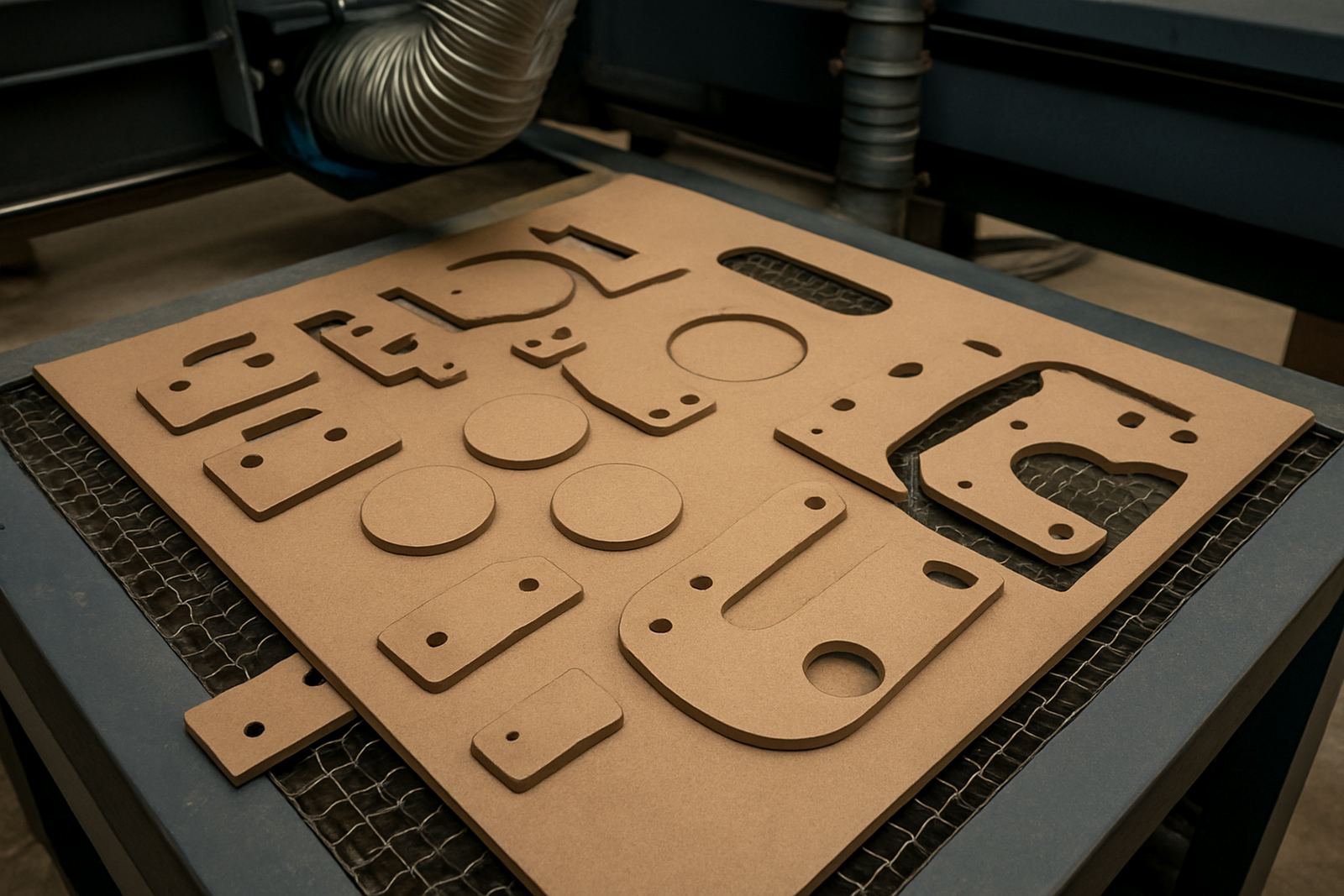
For heavier card, packaging samples and layered decorative pieces, a stable machine with accurate focus control is worth more than raw speed. If you are cutting on a daily basis, a clean beam path and regular lens cleaning keep results more consistent, and reduce rework.
Layout planning that saves paper and Rand
The best paper and card jobs are planned before the first sheet goes onto the bed. Nesting parts tightly can cut waste, but you still need safe spacing so heat does not mark adjacent pieces. Thin card may shift during cutting if the airflow is too strong, so it is worth testing the balance between hold-down and edge quality. A small layout change can save a lot on premium stock.
When we plan installations, we also look at where finished sheets will be stacked, trimmed and packed. In a busy print or craft workspace, the machine should sit close to a clean prep table and away from dust, glue overspray and open windows. This helps avoid contamination on cream or white stock, which shows marks quickly. For sites in Wynberg, Sandton or Midrand, we often suggest a separate storage area for paper packs so they stay flat and dry.
- Keep artwork grouped by material thickness
- Test one sheet before a full run on unfamiliar stock
- Leave room for sorting, packing and offcut collection
- Store card flat on pallets or shelves, not against damp walls
Common mistakes on paper and card jobs
Many first-time users push power too high, which leaves browned edges or a hard burnt smell that clients notice right away. Another common issue is cutting stock that is already warped from poor storage. If the sheet is not flat, the focus changes across the surface and the cut quality suffers. We also see people using the wrong artwork settings, such as lines that are too thick or closed shapes that are not properly joined.
Extraction is another area people underestimate. Paper smoke is light but persistent, and it can settle on optics, walls and finished stock if the air movement is weak. On longer runs, that can mean dirty lenses and a drop in cut quality after only a few hours. Preventive maintenance and regular optics cleaning are important on paper-heavy sites, especially where the machine runs through the week.
For clients doing decorative card products, the simple slip is often in the details: tiny tabs, narrow bridges and over-complicated cut paths that look good on screen but fail on the sheet. We usually test those elements first so you do not burn through an expensive pack of board, or lose time on a rush order.
Budget ranges for paper and card production
Budget depends on whether you are buying a machine for occasional custom work or for daily production. Entry-level CO2 systems for light paper and card use can start around R180 000 to R280 000, depending on bed size, extraction and cooling setup. Mid-range production machines that are better suited to regular invitations, packaging samples and decorative board work often fall between R320 000 and R650 000.
If you need installation, operator training, relocation help or an annual service plan, include those costs from the start. A practical paper and card setup may also need extraction upgrades, spare lenses, mirrors, chiller checks and a clean power supply. In areas where load-shedding is part of the weekly routine, a proper shutdown procedure and backup planning can protect both the machine and your stock.
Demo cuts, training and support from Wynberg to the coast
Our base in Wynberg, Johannesburg supports demo cuts, installs and operator training nationwide, with service coverage in Sandton, Pretoria, Midrand, the East Rand, the West Rand, Durban and Cape Town. That matters for paper and card users because setup has a direct effect on finish quality. A machine that is not aligned properly can waste time on every run, while a trained operator can move from prototype to production with less trial and error.
We help with beam alignment, cooling checks, extraction service, breakdown response and remote support, and we also supply spares for ongoing use. For clients working on invitations or packaging samples, the goal is simple: clean cuts, less waste and a process that holds up when the order book gets busy. If you are scaling up, we can advise on where to place the machine, how to manage stock flow and what service schedule keeps the system steady. Practical setup saves money, and it keeps the finish neat.