Priority Fault Support for Urgent Stoppages
Our breakdown response service is for machines that have stopped working, are cutting poorly, or are unsafe to run. We assist owners of CO2 laser systems used for acrylic, wood, leather, paper, fabric and similar non-metal materials. If your workshop in Wynberg, Sandton, Pretoria, Midrand, the East Rand, the West Rand or further afield is down, we help you get clear answers and get production moving again. A stalled machine can mean missed courier collections, late signage handover, or a full queue of jobs standing still.
We handle sudden faults such as no laser output, weak cutting, erratic beam alignment, chiller alarms, extraction failure, overheating, gantry issues, limit switch faults, controller errors and poor edge quality. Where possible, we guide your operator through safe checks first so that a minor issue does not become a bigger repair. If the fault needs a visit, we arrange the right technician and the right parts, not a guess-and-see approach.
- Fault diagnosis for cutting, engraving and motion issues
- Safety checks before any restart
- Support for acrylic, wood, leather and mixed material production
- Remote triage, site visit support, or both where needed
What We Check During a Call-Out
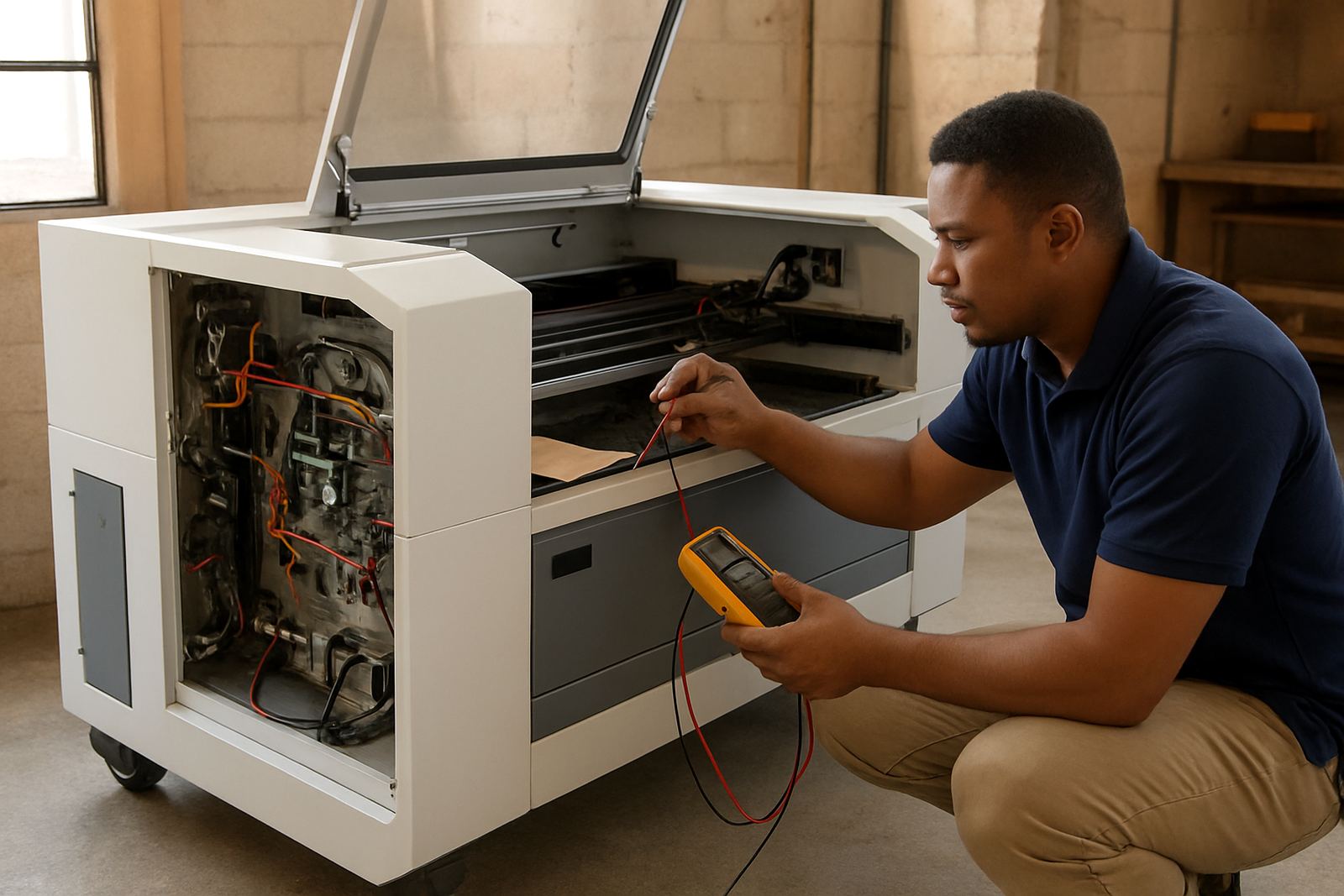
Every breakdown is different, so we work through the machine in a practical order. The aim is to identify whether the problem sits in the laser tube, power supply, optics, motion system, cooling system, extraction path or control electronics. We also check the basics that often get overlooked, like water flow, lens condition, earth connections, air assist, alignment drift and whether the machine was pushed beyond its duty cycle. In Johannesburg and coastal sites where humidity affects optics and condensate can build up, these checks matter a lot.
Typical site work includes beam alignment checks, mirror and lens inspection, cooling performance verification, extractor airflow testing, cable and connector inspection, and a review of error logs if your controller provides them. If a component needs to be changed, we use the machine’s specifications to match the replacement properly. That includes tube size, lens focal length, power supply rating, chiller capacity and compatible drive components. We do not take shortcuts that leave the system limping along for another week.
- Laser tube, power supply and interlock testing
- Chiller flow, temperature and coolant condition checks
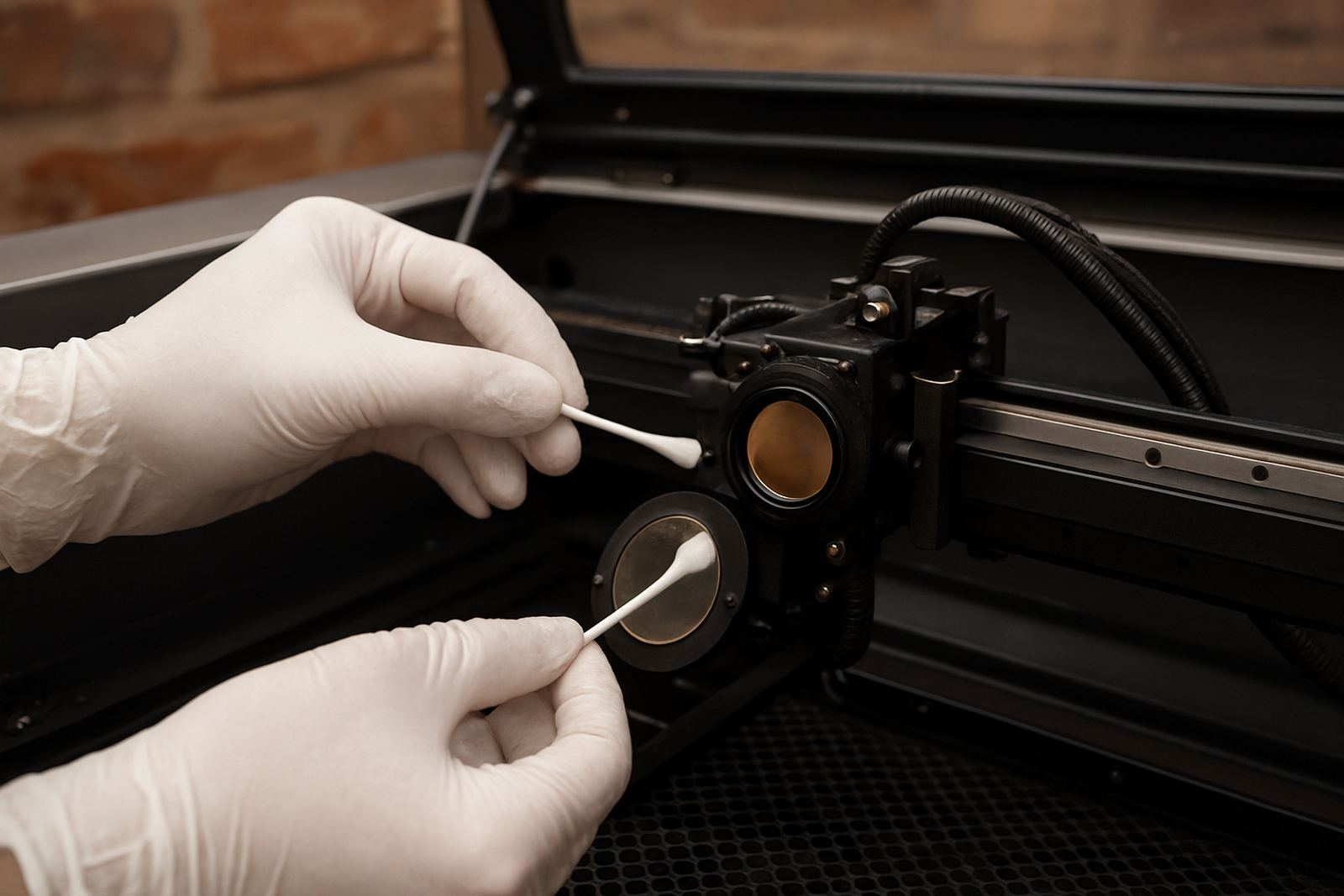
- Optics cleaning and alignment verification
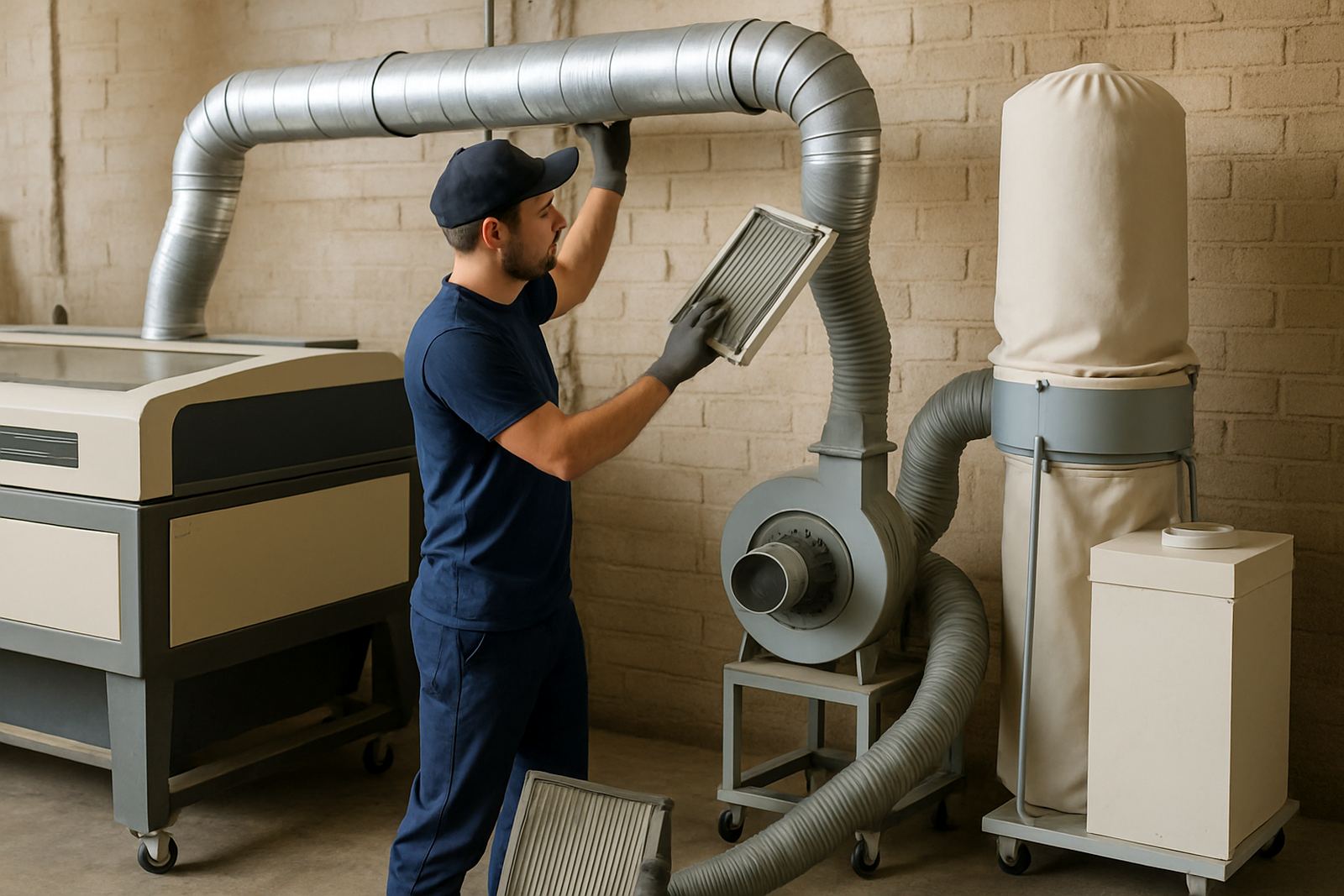
- Extraction and smoke removal assessment
How the Breakdown Response Process Works
The process starts when you send an enquiry through our contact page. We ask for the machine model, what material you were cutting, the fault symptoms, any alarm codes, and whether the machine is completely stopped or still running in a limited way. Photos and a short video often save time, especially when the issue is related to cut quality, beam path or an intermittent fault. From there we decide whether remote support is enough or whether a site visit is required.
Once the fault is confirmed, we advise the next step, parts requirement and likely turnaround. If your business is under pressure, we prioritise the case based on production impact, customer deadlines and safety risk. For sites in and around Johannesburg, we can often move faster because our base is in Wynberg. For Durban, Cape Town and other nationwide locations, timing depends on distance, access and whether the machine needs a technician visit or replacement parts first.
- Submit machine details and fault symptoms through the contact form
- Receive initial triage and safety guidance
- Approve the repair plan, parts and visit timing
- Carry out repair, test cuts and handover back to production
Turnaround Times and What Affects Them
Simple issues can sometimes be resolved the same day with remote guidance, especially where the problem is a loose connection, incorrect setting, dirty optics or blocked extraction. More complex faults, such as a failing tube, damaged motion component, controller failure or cooling issue, may take longer depending on parts availability and access to the machine. We always try to keep the customer informed on the next practical milestone, not vague promises.
In urgent cases, response speed is improved when the operator can share the machine serial details, a description of the last job run, and the exact point where the failure started. If the unit is still powered and safe to inspect, we can often narrow the fault before the technician arrives. For production sites, that means less downtime and less back-and-forth. If a part is not on hand locally, we will say so plainly and give the realistic lead time.
- Remote triage may resolve minor faults quickly
- Site visits are scheduled by urgency and location
- Parts lead time affects repair speed on major failures
- Testing includes sample cuts before sign-off
Pricing Approach for Emergency Repairs
Breakdown response is priced according to the type of fault, the level of urgency, travel requirements, and whether the repair needs parts, labour only, or a combination of both. We keep the pricing approach straightforward. You receive a clear scope before work starts, so you know what is covered and what may still be required if hidden damage is found during inspection. No one wants a surprise invoice after a machine has already sat idle for a day or two.
For Johannesburg and nearby service areas, pricing is generally easier to manage because travel time is lower. For outlying areas or nationwide call-outs, transport and time on site are built into the quote. If a machine is under a preventative maintenance or annual service plan, some response items may already be covered or discounted depending on the condition and service history. Customers who keep up with regular cleaning and alignment usually spend less on emergency work over time.
- Quoted by fault type, urgency and distance
- Labour, parts and travel are shown separately where needed
- Service plan customers may benefit from reduced call-out cost
- We confirm scope before repair work begins
Maintenance Intervals That Reduce Future Downtime
Breakdowns often start as small issues that build up over time. Dust, smoke residue, poor cooling, worn belts and a drifting beam path can all lead to stoppages if left alone. For most CO2 laser systems, we recommend weekly operator checks, monthly cleaning and inspection, and a scheduled technical service every 6 to 12 months depending on usage hours, ambient dust and the kind of material being processed. Shops running full days in a busy production environment may need shorter intervals. Coastal humidity and high dust loads call for tighter attention too.
Regular maintenance helps with tube life, cut consistency and extraction performance. It also makes emergency repairs easier because the machine is cleaner and easier to inspect. Our team can align your breakdown response with preventive maintenance, optics cleaning, extraction service and annual service planning so that the next stoppage is less likely. The goal is not just to fix what is broken, but to stop the same fault from coming back again a month later.
- Weekly operator checks for water, air, lenses and alarms
- Monthly inspection for alignment, belts and extraction flow
- 6 to 12 month technical service intervals
- Tighter schedules for dusty shops and high-output use
Supported Machines and Common Fault Specs
We work on CO2 laser cutting systems used for signage, craft production, prototyping and workshop manufacturing. That includes flatbed machines, gantry systems and enclosed units across a range of working sizes. For emergency support, the key specs we ask for are not only the bed size but also the laser tube wattage, chiller size, lens focal length, extractor setup and controller type. Those details tell us what can fail, what needs testing, and what parts are likely to be required.
Common examples include 600 x 400 mm hobby machines, 900 x 600 mm workshop units, 1300 x 900 mm production machines and larger format systems used for repeated cutting jobs. Power levels commonly range from 40W to 150W depending on the application and material thickness. If your machine is running at the edge of its capacity, we will say so and suggest a safer operating window. That advice can save a tube, a job sheet, and a long afternoon of frustration.
- Bed sizes from compact workshop units to larger production formats
- Typical power range: 40W to 150W
- Compatible with acrylic, wood, leather and similar non-metal materials
- Support includes controller, cooling, optics and motion faults
Key facts
| Service type | Priority fault support for urgent production stoppages |
|---|---|
| Coverage | Wynberg, Johannesburg base with nationwide support |
| Supported materials | Acrylic, wood, leather and similar non-metal materials |
| Typical power range | 40W to 150W CO2 systems |
| Typical bed sizes | 600 x 400 mm to larger production formats |
| Maintenance interval guidance | Weekly checks, monthly inspection, 6 to 12 month technical service |