What Our Machine Installation Covers
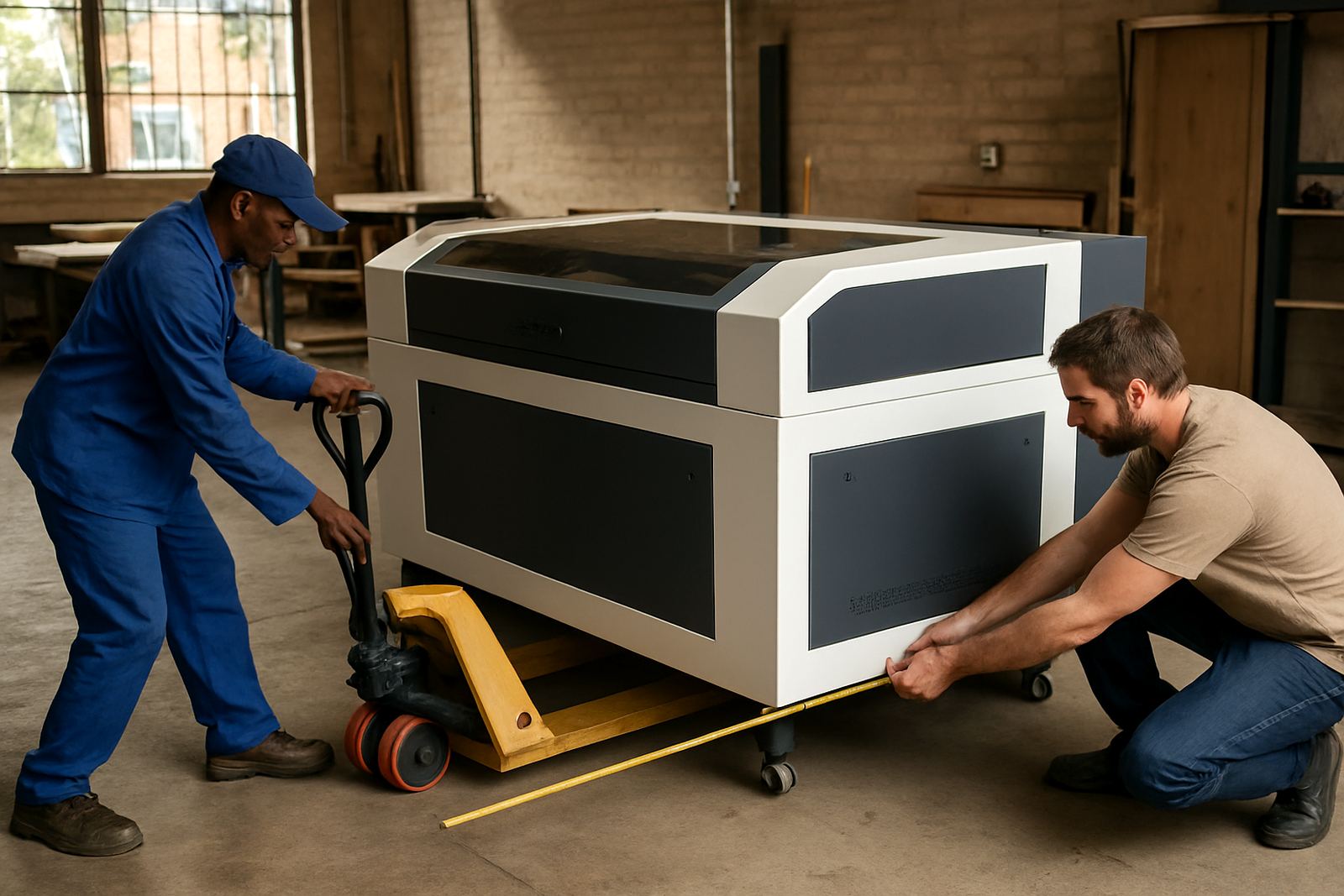
Our installation service is built for CO2 laser cutter setups that need to start work quickly and correctly. We handle the physical placement, levelling, connection checks and startup settings so the machine is ready for test cutting and operator handover. For sites in Johannesburg, Pretoria, Midrand, the East Rand, West Rand, Durban and Cape Town, we plan the work around access, power availability and loading bay rules where needed.
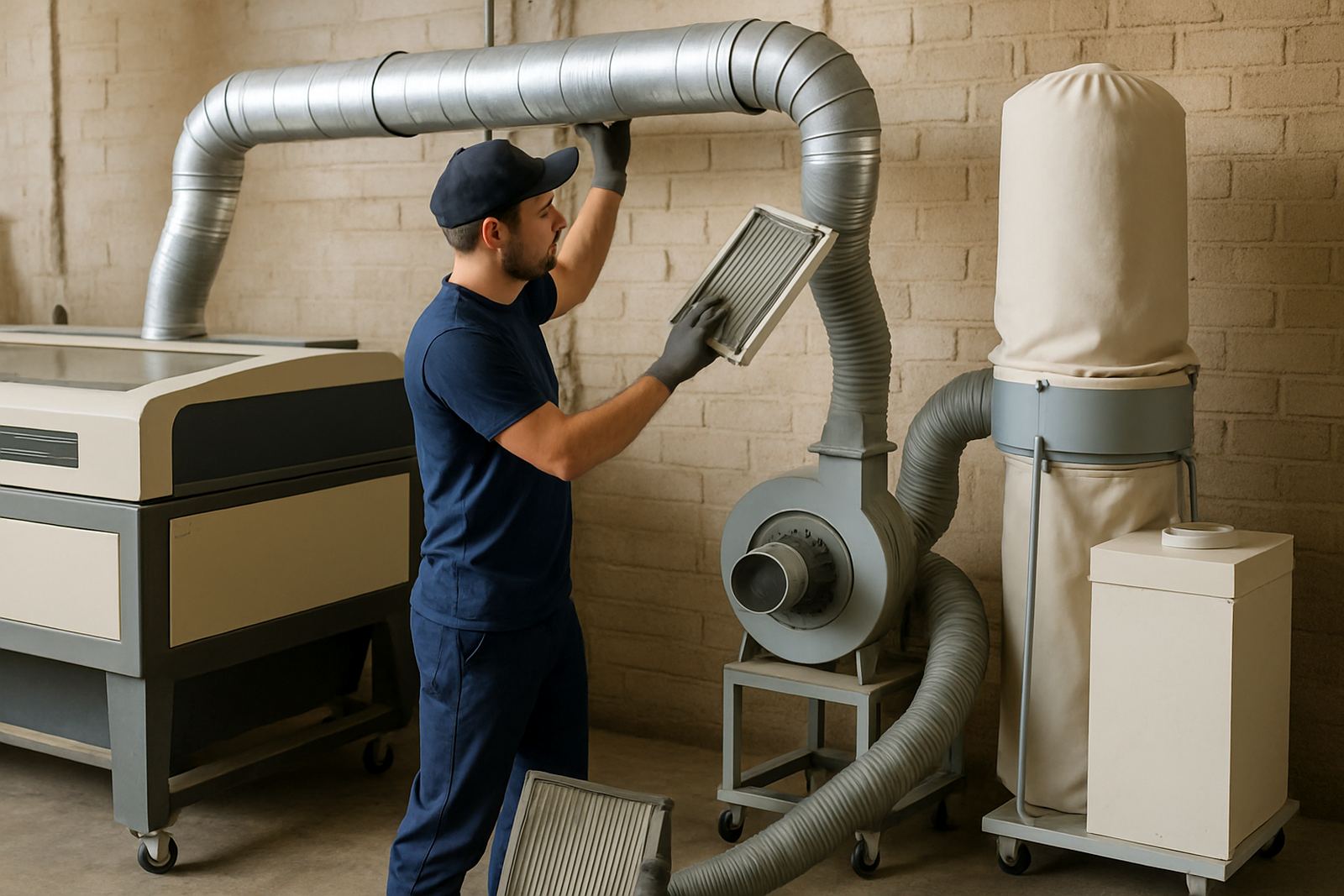
The job usually includes a site walk through, unpacking, positioning, basic machine assembly if required, coolant and extraction checks, beam path verification, control setup and initial test runs on customer material. We also confirm that the machine suit the space, especially where floor loading, humidity or dust are concerns. In coastal areas like Durban or Cape Town, we pay extra attention to moisture control and extraction routing.
- On-site placement and levelling
- Power, cooling and extraction connection checks
- Startup parameter setup and test cuts
- Basic operator handover after commissioning
- Site suitability review for access, heat and dust
Before We Arrive At Your Site
A smooth installation starts before the truck leaves Wynberg. We confirm the machine size, access route, doorway widths, parking, ramp requirements and the final position in the workshop or production area. For multi storey sites or properties with security access, we also check delivery times and any building rules that may affect offloading. It saves time, and usually avoids last minute adjustments on the day.
We will ask for the electrical supply details, extraction route, and the available bench or floor space. Typical CO2 laser cutters need a stable power supply, proper earthing and enough room around the cabinet for service access. If the machine is going into a smaller craft studio, we advise on clearances, airflow and how to position raw material so the operator can work safely without crowding the machine.
- Confirm machine dimensions and delivery access
- Check power supply, earthing and plug arrangement
- Review extraction, cooling and ventilation points
- Measure the setup area and service clearances
- Identify any municipal, landlord or site rules in advance
Step By Step Commissioning On The Day
Once the machine is in position, our technical team works through commissioning in a fixed order. First we check the cabinet level, then the cooling system, extraction, optics condition and power connections. After that we run alignment checks, confirm motion movement and load the initial cutting settings for the material you plan to use. A typical first test will use acrylic, wood or leather offcuts, not final stock, so the setup can be adjusted without waste.
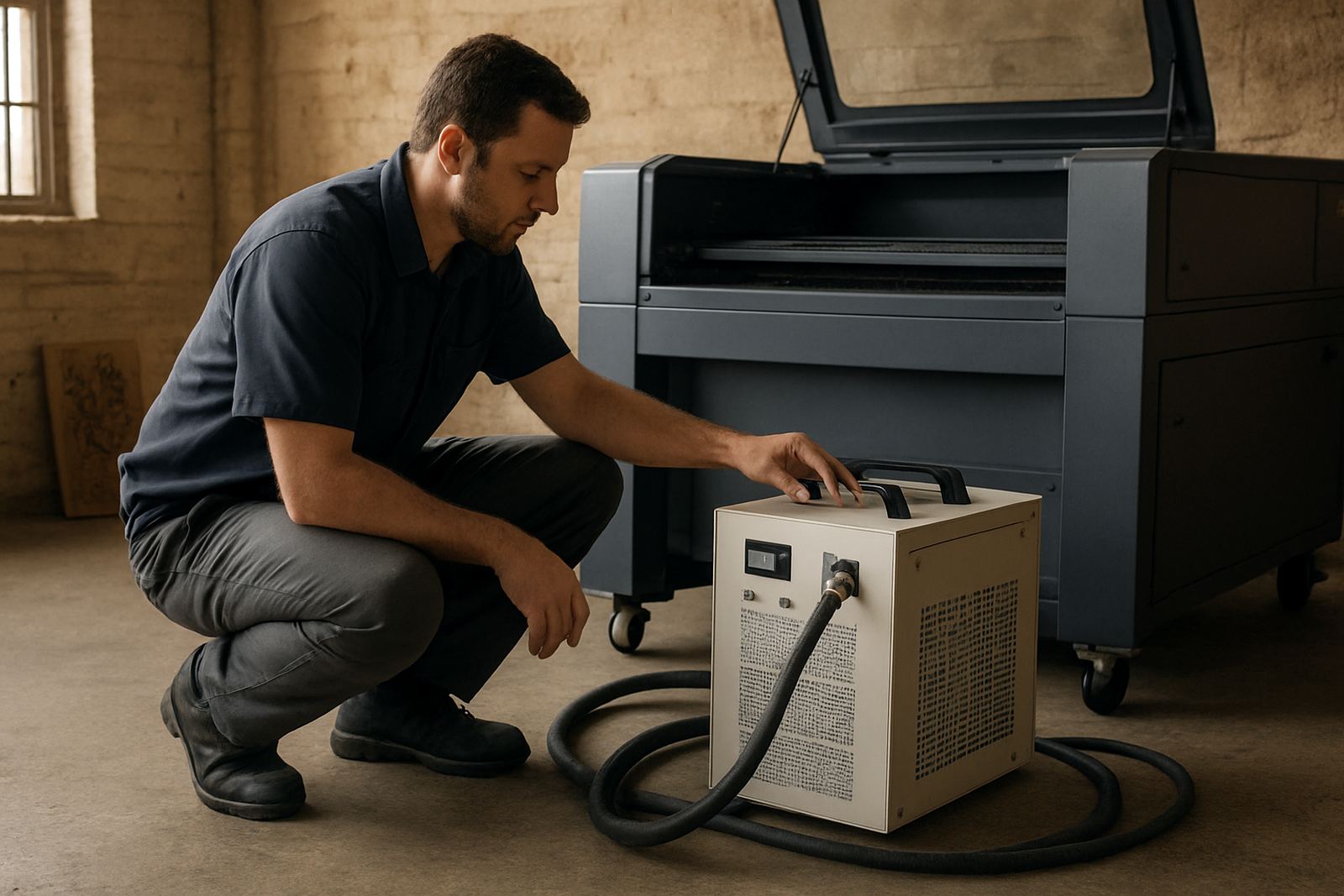
After the machine passes basic checks, we run a sample cut and inspect edge quality, corner detail and burn marks. We then fine tune speed, power and air assist settings to match the job. If the site includes an existing extractor or chiller, we verify performance and advise if any changes are needed. This is where a careful handover matters most, because small issues left unresolved on day one become repeat faults later.
- Levelling and final cabinet position
- Coolant, beam and extraction verification
- Test cutting with customer material offcuts
- Edge inspection and parameter adjustment
- Operator handover and safety notes
Machine Sizes, Site Needs And Technical Specs
We install a range of CO2 laser cutters suited to light production, custom making and workshop use. Machine needs differ by bed size and power rating, but the same principle applies: stable power, controlled cooling, clean extraction and enough room to service the unit properly. For larger beds, the installation plan must allow for turning space and safe lifting. On some sites, especially in busy industrial areas, we also plan around shared loading zones and no idling rules.
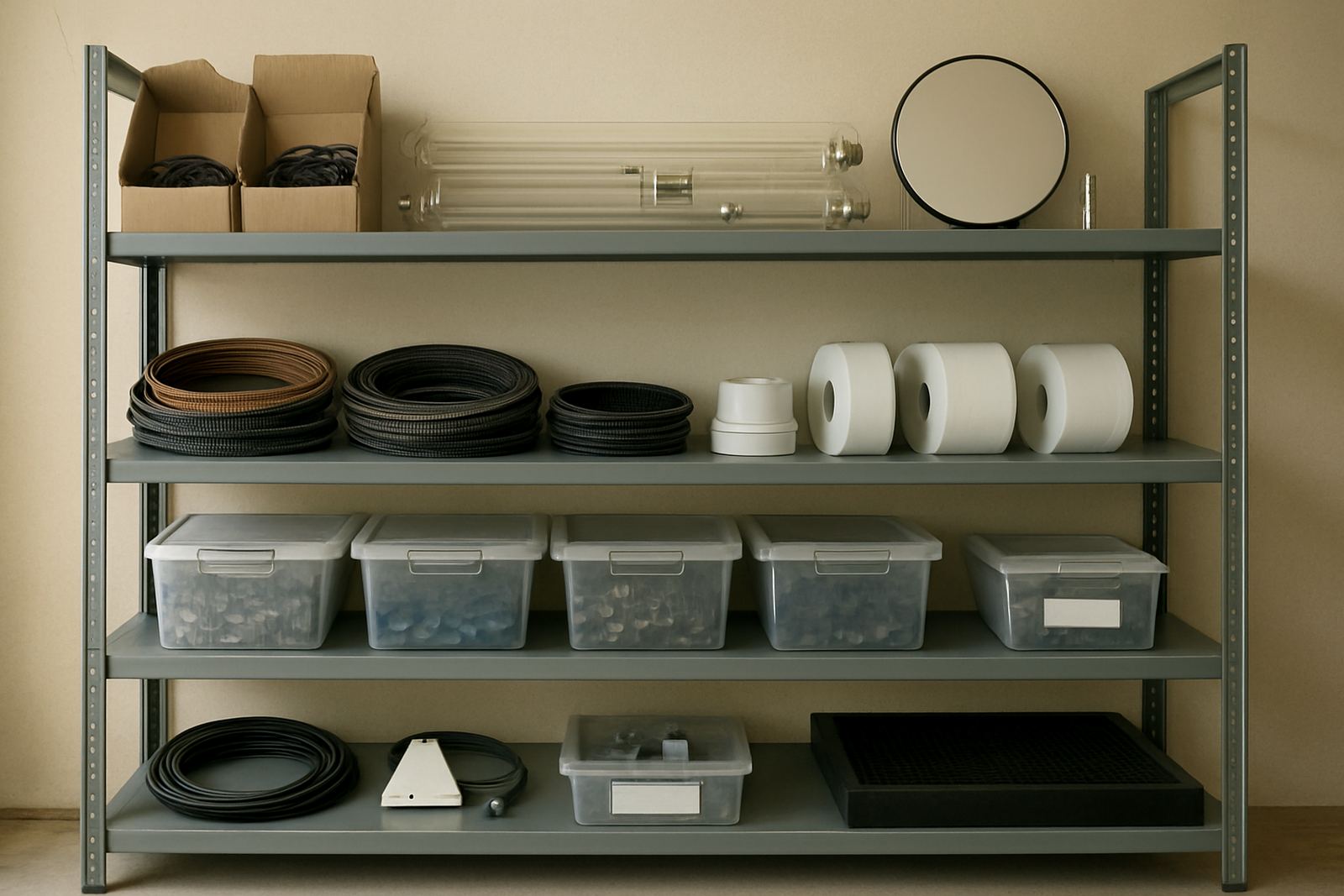
As a practical guide, most systems we install need a dedicated work area with clear access on at least one side and enough overhead room for lid opening or maintenance access. Cooling can be water based or chiller based, depending on the setup. Extraction must remove smoke and fine dust so the optics stay clean and the cut finish stays consistent. If the machine will run near the coast or in a humid plant room, we also discuss storage for consumables and how to protect lenses and mirrors from moisture.
- Typical bed sizes: 600 x 400 mm, 900 x 600 mm, 1300 x 900 mm, 1600 x 1000 mm
- Common power range: 60W to 150W CO2 systems
- Materials: acrylic, wood, leather, rubber and selected sheet goods
- Site needs: stable power, extraction, cooling and dry storage
- Clearance: allow space for opening panels and service access
Turnaround, Scheduling And Pricing Approach
Installation turnaround depends on the machine size, site readiness and where the client is based. In Gauteng, a standard installation can often be scheduled quickly once the site is ready. For out of province work, we coordinate travel, delivery timing and the service window together so the machine is not left standing around waiting for a free slot. If the installation includes operator training on the same day, we allow extra time so the handover is not rushed.
Pricing is quoted according to the machine model, travel distance, complexity of the site and whether extra services are needed, such as relocation help, extraction work or a second visit for alignment after the machine settles. We price installations clearly, with no guesswork. If a site needs electrical changes, new extraction ducting or a longer commissioning session, that gets explained before work begins. It keeps the project within budget and avoids surprises.
- Local Gauteng installs can usually be planned faster
- Nationwide work is scheduled around travel and access
- Quotes depend on machine size, setup complexity and distance
- Extra work such as ducting or relocation is priced separately
- Training time can be added to the installation booking
Aftercare, Maintenance Intervals And Support
A machine that is installed properly still needs regular attention. We recommend a short follow-up check after the first few production days, then routine maintenance at set intervals depending on use. Light workshop users may only need scheduled checks every few months, while busy production sites often need more frequent attention. The main items are optics cleaning, cooling checks, extraction performance, alignment and general wear inspection. If the machine is used daily, dust and smoke build up faster than most operators expect.
We can combine installation with an annual service plan or ongoing preventive maintenance. That helps keep cut quality stable and reduces downtime from avoidable faults. During service visits we check beam alignment, inspect mirrors and lenses, review coolant condition and make sure the extraction is still removing smoke properly. In busy sites, the first sign of trouble is often a slight loss of edge quality or slower cutting, so routine checks are worth it.
- First follow-up check after initial production run
- Routine optics cleaning and beam alignment
- Cooling and extraction checks at planned intervals
- Preventive maintenance for high use sites
- Support available for faults, repositioning and upgrades
Who We Install For
We work with sign makers, custom gift producers, model makers, leather craft businesses, educational workshops and industrial users who need accurate cutting with repeatable results. Some clients are opening their first laser room, while others are replacing an older machine and need the new unit commissioned without interrupting production. In both situations, the job is the same at heart: a clean install, proper startup and a handover that makes sense to the operator on the floor.
From the Wynberg demo room to sites across Sandton, Midrand, the East Rand, the West Rand and further afield, our team handles the practical side of the job. You book through the enquiry form on our contact page, we confirm the details, then we schedule the installation and the setup work. If your site needs a machine moved from one room to another, or from storage into production, we can assist with that too. Simple, straight forward and done in the right order.
Key facts
| Service area | Johannesburg, Pretoria, Midrand, East Rand, West Rand, Durban and Cape Town support |
|---|---|
| Installation scope | Placement, levelling, commissioning, startup setup and operator handover |
| Typical materials | Acrylic, wood, leather and selected sheet materials |
| Machine sizes | 600 x 400 mm to 1600 x 1000 mm bed formats |
| Power range | 60W to 150W CO2 laser systems |
| Aftercare | Follow-up checks, preventive maintenance and annual service plans |