How do I arrange a demo in Wynberg?
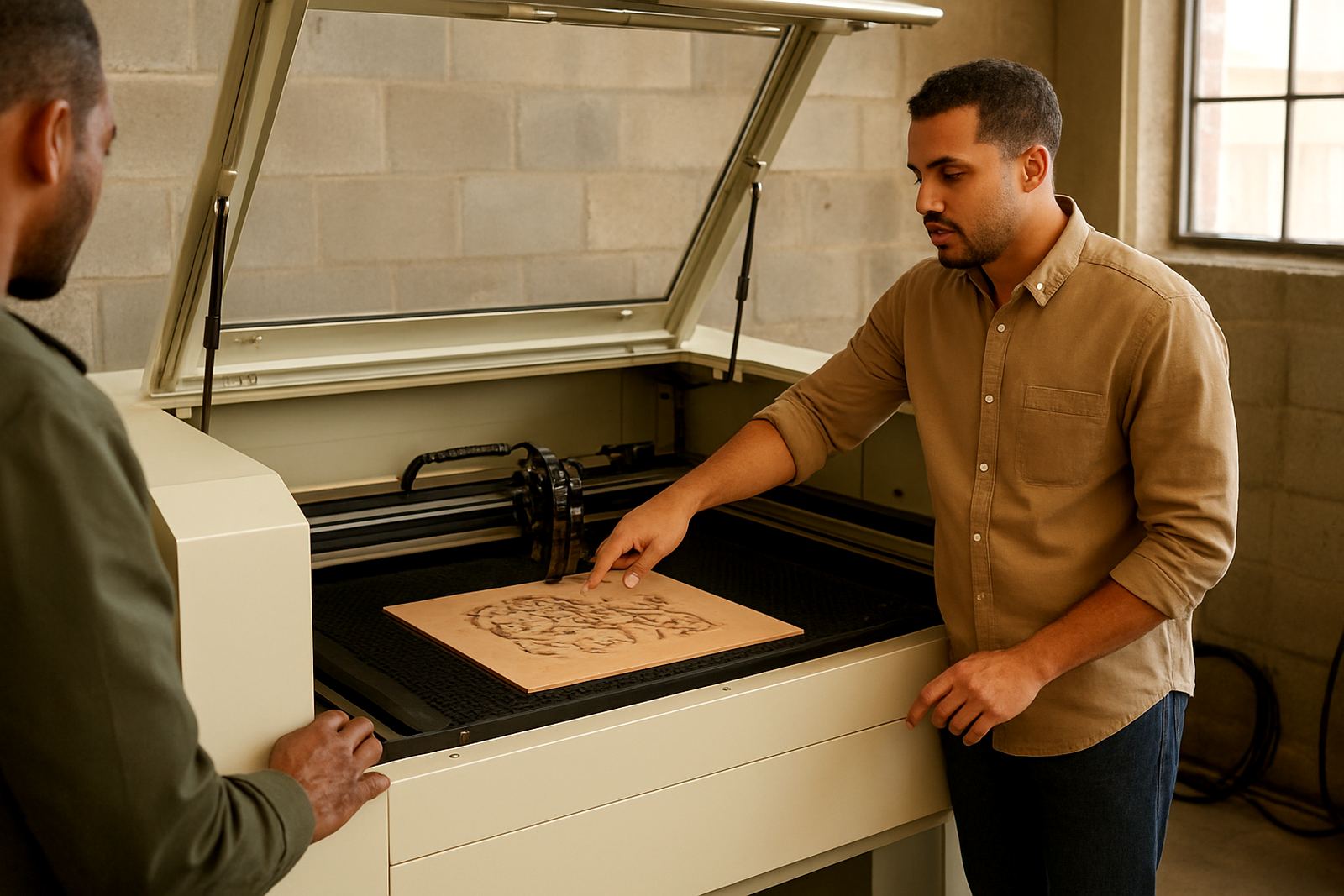
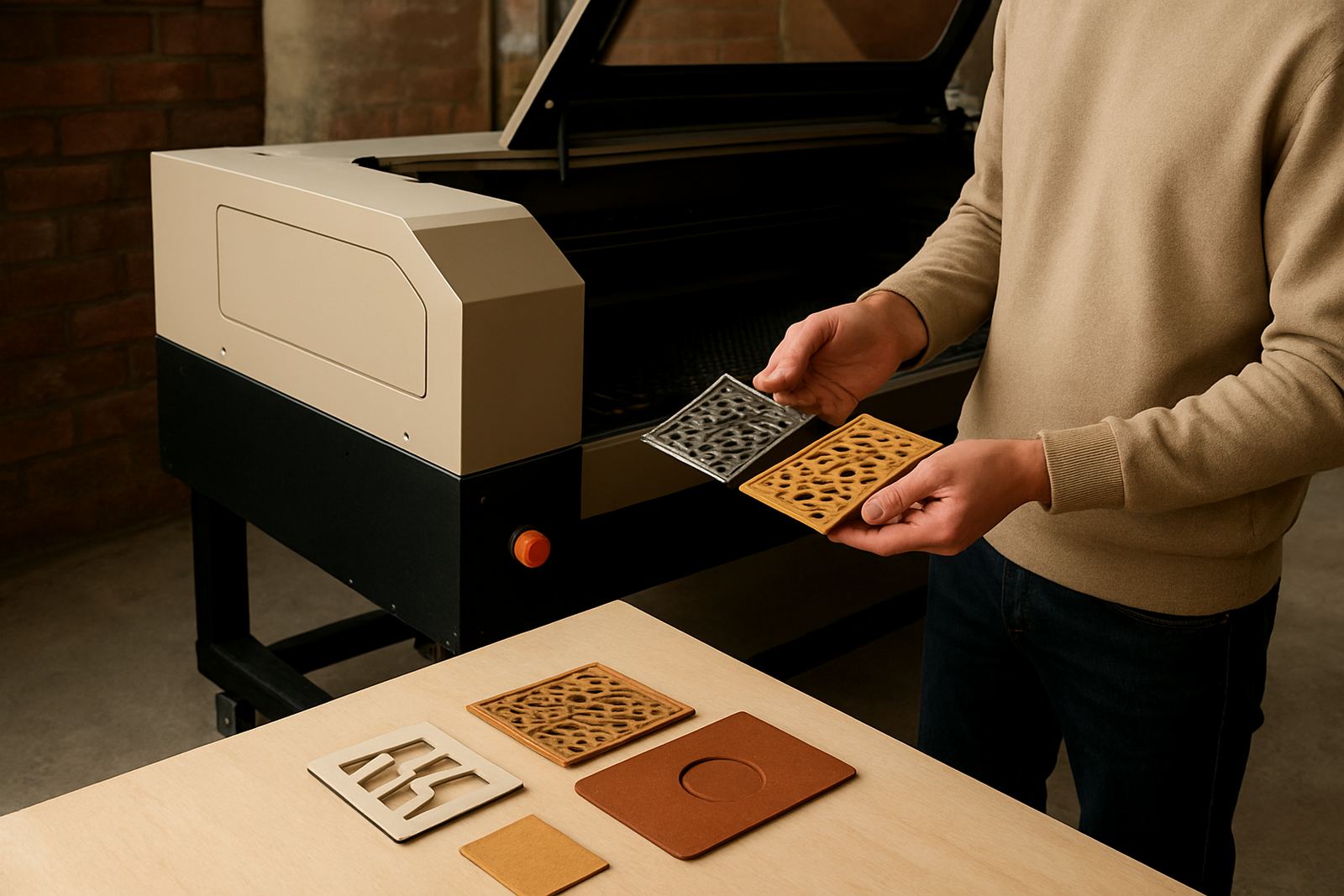
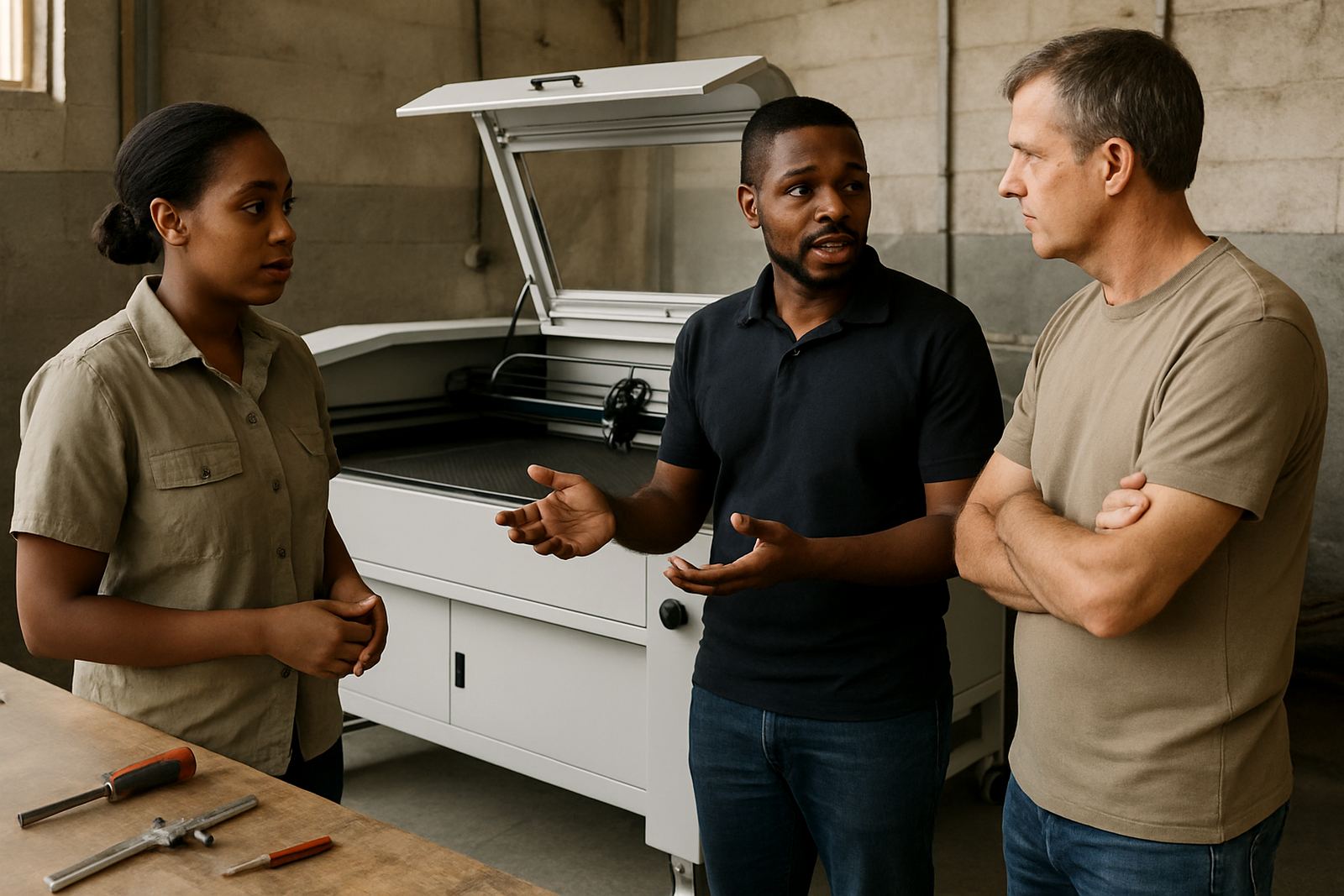
Start with the enquiry form on our contact page and tell us what material you want to cut, the sheet size you use, and whether you need marking, cutting or both. We will then confirm a demo slot at our Wynberg demo room and prepare sample cuts that match your work. If you are coming from Sandton, Pretoria, Midrand or the East Rand, we can usually line up a practical visit without much back and forth.
For the best demo, bring your own material if you can. That lets us check edge quality, speed and finish on the same stock you use in production, whether that is 3 mm acrylic, plywood, MDF, leather or a mixed batch. If you are working on short timelines, mention that early so we can focus on machine choice and delivery lead time first.
Which machine size suits my work?
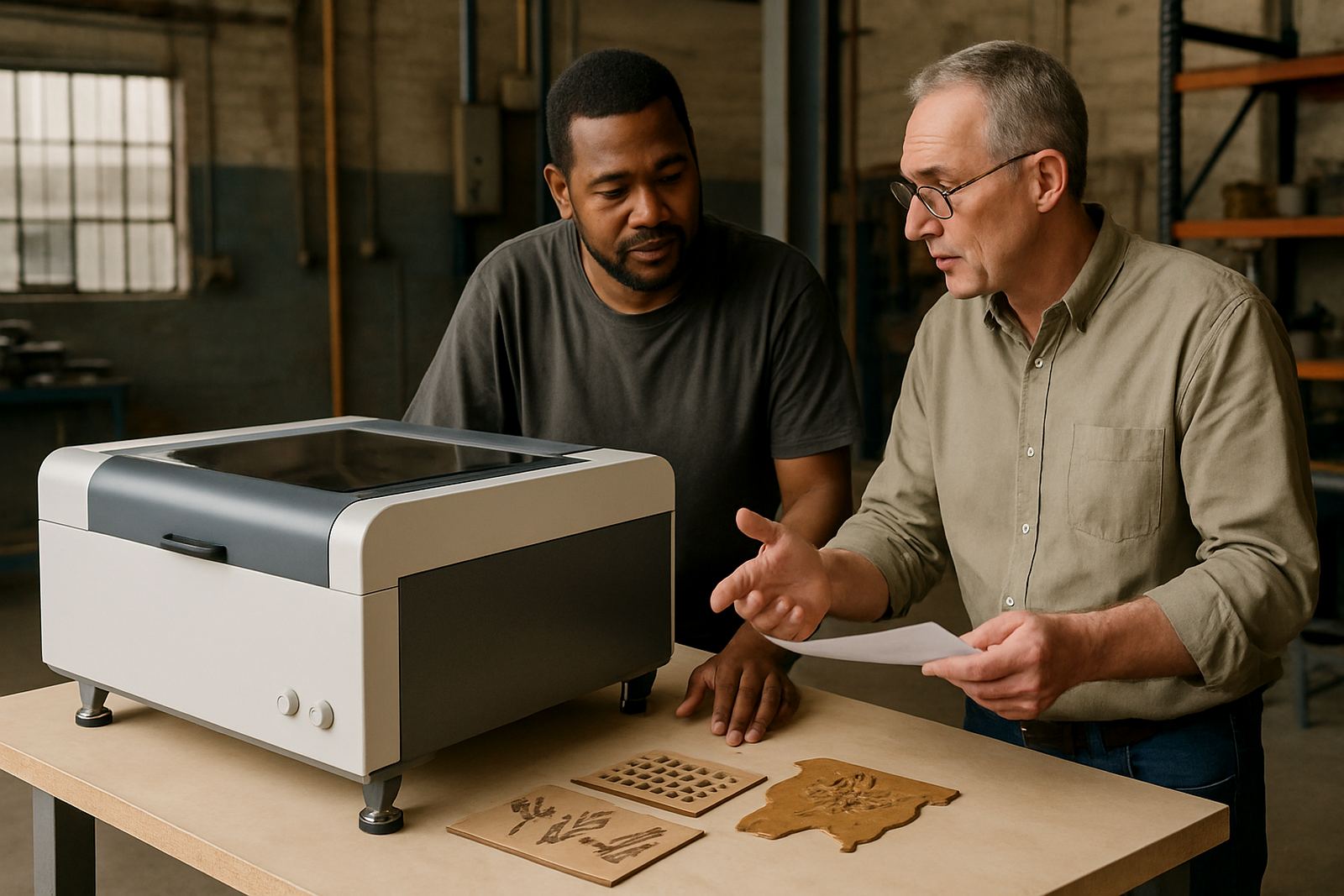
The right machine depends on sheet size, daily volume and the finish you need. A small craft workshop may only need a compact bed for nameplates, décor and sample runs, while a sign shop or manufacturing client may need a larger bed for full sheets and quicker turnover. We look at the size of your common jobs, the thickness you cut most often, and how often the machine will run in a day.
- Small-volume craft work: ideal for detail work, sample parts and seasonal runs.
- Medium production: suited to repeat cutting, signage and batch work.
- Higher throughput: better for regular production, larger sheets and faster turnaround.
If you are unsure, send your usual part sizes and material list through the enquiry form. We can then guide you on bed size, extraction needs and whether your site has enough space for loading, maintenance access and safe operator movement.
What lead times should I expect?
Lead times vary by machine configuration, installation schedule and where the unit needs to go. A local Johannesburg installation can often move faster than a remote site, but we still plan carefully around transport, access, and any site prep that may be needed. In some cases we can organise a quicker handover if the machine is already allocated and the site is ready.
Before delivery, we check three things: power availability, extraction setup and floor space. If your workshop is in an area with load-shedding, we will discuss your backup power plan and whether you need extra protection for cooling and clean shutdowns. It saves a lot of trouble later when the machine arrives and everything is ready, not half ready.
Do you install and train outside Johannesburg?
Yes, we provide installation and operator training nationwide, including Pretoria, Midrand, the East Rand, the West Rand, Durban and Cape Town. Our service team also assists with relocation help, preventive maintenance and breakdown response, so you are not left guessing after the machine is in place. For sites further afield, we confirm travel timing and plan the visit around your production schedule.
Training covers safe operation, basic maintenance, cutting setup and daily checks. We show your team how to keep lenses clean, manage cooling, check extraction and avoid common setup mistakes. If your workshop has more than one operator, we can structure the session so each person understands their role. That keeps the machine in use and reduces downtime.
- Initial operator safety and startup procedure
- Material setup for acrylic, wood and leather
- Beam alignment and optics cleaning basics
- Cooling and extraction checks
- Job setup, testing and cut quality review
What support do you offer after installation?
After installation, we support customers with preventive maintenance, spares supply, optics cleaning, cooling checks, extraction service, beam alignment and remote support. If something stops production, we can help assess the fault and guide the next step before a technician visit is arranged. That is especially useful for busy shops that cannot afford long stoppages.
We also offer annual service planning for customers who want routine maintenance rather than waiting for a breakdown. In coastal areas, humidity can affect optics and metal parts more quickly, so regular cleaning and inspection matter. Inland sites have their own issues too, especially dust buildup and power fluctuations. A simple service plan often saves time, and money, over the year.
How should I prepare my site before the machine arrives?
Before delivery, make sure the machine area is clear, level and easy to reach. Measure doors, passages and any tight corners, then compare those measurements with the machine and packaging. If your site is in a shared industrial park or has security rules, let us know in advance so access can be arranged without delay.
We also recommend checking these items before installation day:
- Stable power supply with suitable protection
- Extraction point or space for ducting
- Cooling water or chiller setup where required
- Enough room for loading sheets and opening covers safely
- Good lighting and a clean work area around the machine
If you are moving an existing machine, our relocation help can reduce the stress. We can advise on disconnecting, transporting and recommissioning the unit so it comes back online in working order.