Start With the Right Machine Size for Your Work
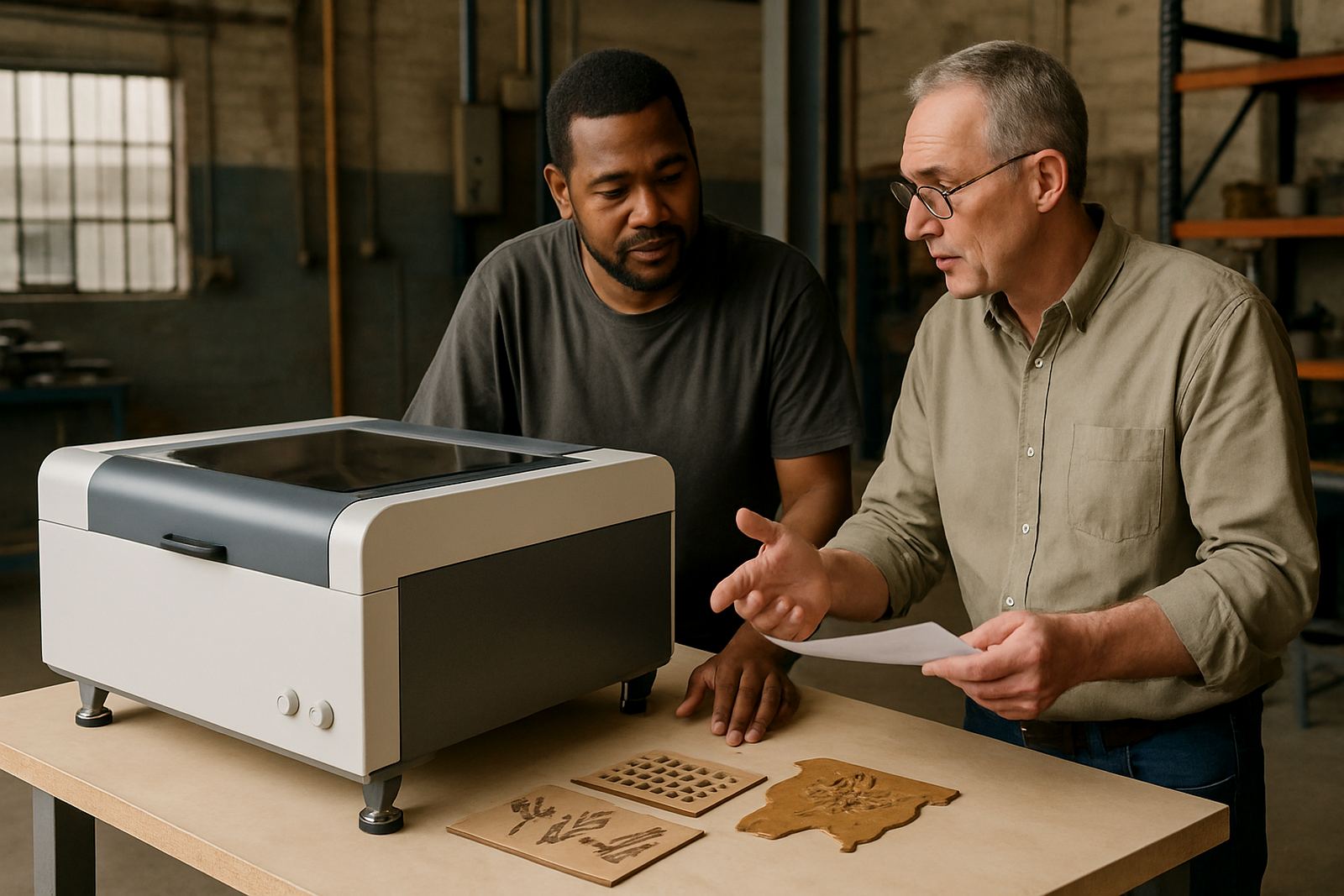
The easiest way to keep the purchase affordable is to match the machine to the material sizes and production volume you actually need. A smaller bed may suit acrylic signage, craft work and leather goods, while a larger format is better for cabinet parts, packaging inserts, and repeated cutting runs. Buying bigger than necessary can add a lot to the price, plus you will pay more for extraction, cooling and floor space.
When you talk through the options, look at the daily jobs you want to complete, not just the occasional big order. That helps you avoid overcapitalising, and keeps your monthly costs within reach. In Johannesburg, many workshops also need to factor in power stability and backup planning, especially if load-shedding affects production times.
Budget-Friendly Ways to Acquire a CO2 Laser Cutter
There is no single finance route that suits every workshop. The best option depends on how quickly you want the machine, how much deposit you can put down, and whether you prefer lower instalments or lower total cost over time.
- Outright purchase if you have capital available and want to own the machine immediately.
- Deposit plus instalments if you want to preserve working cash for materials, staff and rent.
- Staged upgrade approach, where you start with the core machine and add accessories later.
- Workshop budgeting over a few months so the purchase does not affect payroll or stock orders.
Many smaller businesses find that spreading the cost makes more sense than tying up all their cash in one go. It also leaves room for service items like optics cleaning, extraction checks and cooling system maintenance, which are part of normal ownership.
How to Build a Practical Purchase Budget
Before you commit, write down the full cost of ownership, not only the machine price. A CO2 laser cutter needs proper setup, trained operators, suitable ventilation and regular upkeep. If you are in a humid area like Durban or near the coast, you may also want to budget for extra care around optics and metal components.
- Machine cost
- Installation and commissioning
- Operator training
- Extraction and cooling setup
- Initial spares and consumables
- Preventive maintenance plan
This gives you a clearer monthly picture and helps avoid surprise costs after delivery. It is worth setting aside a small reserve for downtime too, because even a well kept machine may need a belt, mirror or tube related check from time to time.
What Lenders and Approvers Usually Want to See
If you are arranging finance through a third party, expect them to ask for basic business records and a clear reason for the machine. They want to know the cutter will support income, not sit idle in the corner. A workshop that already has orders for signage, decor, prototyping or short production runs often presents well.
Have your documents ready before you apply. It makes the process smoother and shows that you are organised. A simple file with your company details, trading history, bank statements and a short note on how the machine will be used can speed things up quite a bit.
- Business registration details
- Recent bank statements
- Proof of trading activity
- Quotation for the machine and setup items
- Any existing purchase orders or recurring work
How to Reduce Risk Before You Sign
A finance commitment should fit your actual workshop conditions. If you are in Wynberg, Sandton, Pretoria, Midrand, the East Rand or West Rand, think through access for delivery, power supply, extraction routing and operator workflow before the machine arrives. If the setup is rushed, the payment plan can feel heavier than it should.
It helps to ask about installation support, training and after sales help before you finalise the purchase. A good support plan lowers the chance of delays and breakdowns, and keeps the machine earning. If you are buying for a first time operator, training is not optional, it protects your material quality and your budget.
For businesses that rely on the cutter every day, annual servicing can be cheaper than repeated reactive callouts. That is especially true when the machine is used for long runs, fine detail work, or mixed materials that need careful beam alignment and cooling control.
Simple Steps to Move Forward Confidently
Once you know the machine size and your budget, the next step is to confirm how you want to pay and what support you need after delivery. Keep the decision practical. A finance plan should help you start producing sooner, not put strain on your cash flow for months.
- List the materials and job sizes you want to cut.
- Set a realistic monthly budget, including service and consumables.
- Choose a machine size that fits current demand and growth plans.
- Ask about installation, training and maintenance support.
- Keep your paperwork ready if a finance provider asks for it.
With the right setup, a CO2 laser cutter can pay its way through steady workshop work.